Skip to content
ReadyTrip
Japan

destination

Japan

Overview

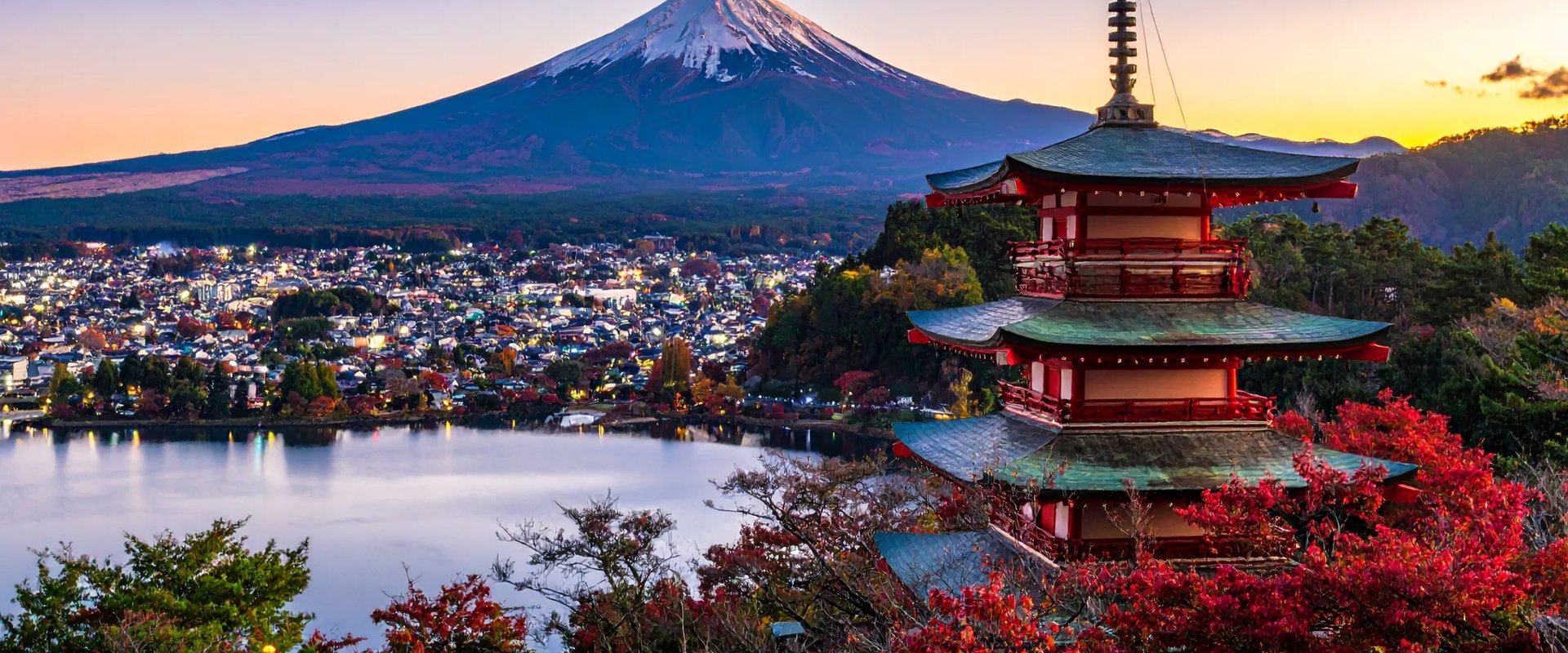
Japan mixes the world's biggest city with its calmest temple towns, and it all runs like clockwork. The classic first trip covers the best places to visit in Japan in 8-10 days — Tokyo's neon and order, Kyoto's temples, Osaka's food streets, Mount Fuji on a clear day — and costs less than most people expect.

The best windows are late March-April for cherry blossoms and October-November for autumn leaves. This page covers entry rules, the cities we sell tickets in, money, and the trains. Use it to plan the trip; use the city pages to book.
Cities to Explore

Visa and entry rules

Most visitors don't need a visa for Japan. Citizens of around 70 countries and regions — including the US, UK, EU countries, Canada, Australia, South Korea and Singapore — enter visa-free, typically for stays of up to 90 days. Other nationalities apply in advance through an embassy or consulate, and Japan also runs an online e-visa system for tourists from several countries.

If you do need a visa, apply 3-4 weeks ahead — and note that Japan changed its visa fees for most applicants in mid-2026, so check the current cost for your passport. Whatever your nationality, you can pre-fill immigration and customs forms on the Visit Japan Web site before flying to speed up arrival.

Rules can change, so confirm your nationality's requirements on Japan's Ministry of Foreign Affairs site before booking non-refundable flights.

Best time to visit

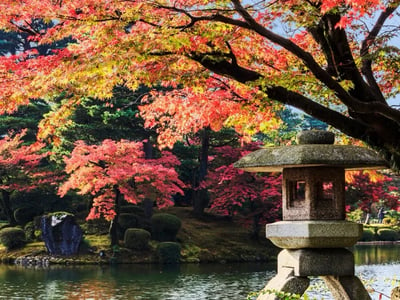
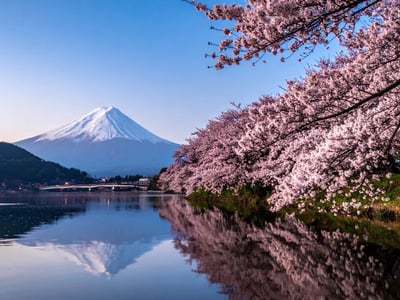
Late March to mid-April is cherry blossom season — Japan at its most famous and most crowded. Book flights and hotels 2-3 months out and expect peak prices. October-November is the equal-but-underrated season: red-and-gold autumn leaves and crisp 15-20°C days.

May and September are the smart-money months: good weather, normal prices. June to early July is the rainy season, and August is hot and humid with typhoon risk on the coasts. December-February is cold (0-10°C) but cheap, and it is the season for Sapporo's snow festival and onsen towns.

Whatever the month, skip Golden Week — a run of Japanese national holidays in late April and early May when domestic travel peaks and trains and hotels sell out weeks ahead.

Top cities

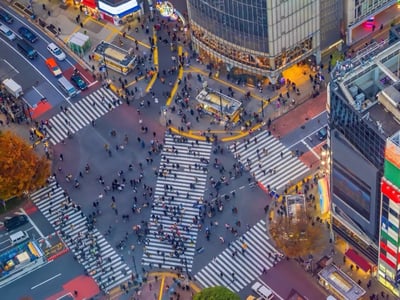
Tokyo needs 3-4 days on its own: Skytree and Shibuya Crossing, teamLab's digital art museums, Disneyland and DisneySea, and day trips to Mount Fuji's Kawaguchiko side. It is the world's biggest city and still the easiest to navigate.

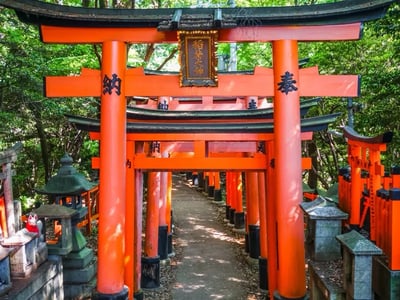
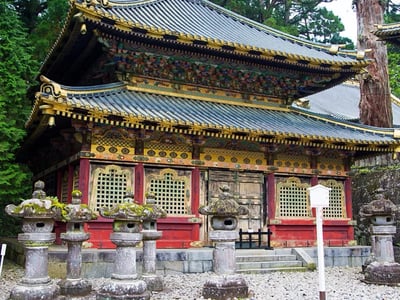
Kyoto is old Japan — Fushimi Inari's red gates, the golden Kinkaku-ji, bamboo groves in Arashiyama, and geisha districts. Start days at 7 am; every famous site doubles in crowd by 10.

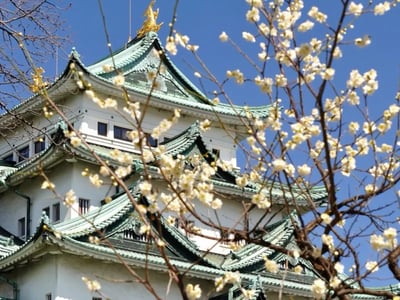
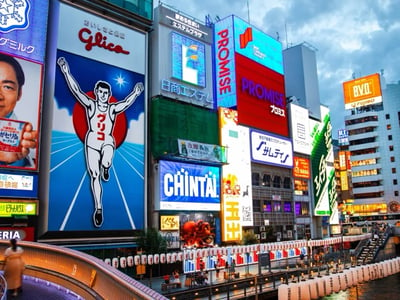
Osaka is 15 minutes from Kyoto by train and is Japan's food capital: Dotonbori's street eats, Osaka Castle, and Universal Studios Japan with Super Nintendo World — book USJ entry and express passes well ahead.

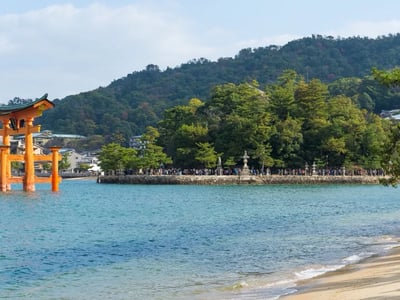
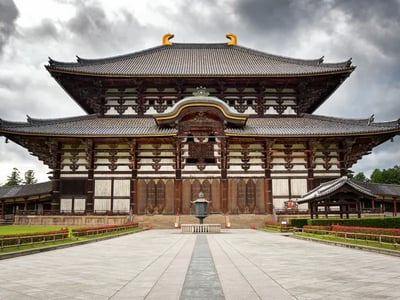
Beyond the golden route: Nara is the half-day trip from Kyoto or Osaka where bowing deer roam a park around the giant bronze Buddha. Hiroshima pairs the Peace Memorial with the floating torii gate of Miyajima island. Sapporo and wider Hokkaido are the winter add-on — February's snow festival and Japan's best powder snow.

Japan with kids

Japan is one of Asia's easiest countries to visit with kids: safe, clean, and full of things children actually ask to do. Tokyo and Osaka are the best family bases — they hold the theme parks, and a rained-out day still has indoor options. Kyoto is lighter on kid appeal; two nights there is plenty with children under 10.

Match the big tickets to ages. Toddlers do best at Tokyo Disneyland and Ueno Zoo. Kids 6-12 hit the sweet spot at DisneySea, teamLab, and Super Nintendo World. Teens can handle all of it plus Akihabara's arcades. The Ghibli Museum rewards film fans more than young children — tickets go on sale on the 10th of the month before your visit and sell out fast.

Strollers work fine on streets but badly in stations: elevators exist but take hunting, and rush-hour trains are a no. Picky eaters are the easy part — convenience stores sell plain rice balls, fried chicken and cut fruit on every block.

Money and payments

Japan is more cash-friendly than you expect — small restaurants, shrines, and some ticket machines still want yen. Cards and transit-card taps (Suica/Pasmo) cover the rest. ¥1,000 is about $6, though the rate moves.

Withdraw cash from 7-Eleven convenience-store ATMs — they reliably accept foreign cards and sit on every block. Convenience stores are also the budget meal hack: a good full meal costs ¥500-900 ($3-$5.50).

Budget ¥10,000-16,000 ($60-$100) per person per day for food, local transit, and one paid attraction — hotels extra. There is no tipping anywhere in Japan; it can even cause confusion.

Vegetarians need a plan in Japan — dashi (fish stock) hides in most soups and sauces, and "no meat" is often understood as "no chunks of meat". Use apps to find shojin ryori (Buddhist temple cuisine) and the growing list of veg-friendly ramen shops in Tokyo and Kyoto.

Getting around

Trains do everything. Inside Tokyo and Osaka, get a Suica or Pasmo card (works in both cities), with metro rides at ¥170-320 ($1-$2). Google Maps handles Japanese transit perfectly, down to the platform number.

Between cities, the Shinkansen bullet train is the star: Tokyo-Kyoto in 2h15m for about ¥14,000 ($86) one way. Do the math before buying a JR Pass — after the 2023 price hike it costs ¥50,000 ($310) for seven days, so it only pays off on itineraries with three or more long legs.

Taxis are spotless and expensive — about ¥500 ($3) on the meter before you move. Treat them as a late-night fallback; everything a tourist needs is train-plus-walk.

Luggage is the hidden logistics problem: big suitcases and rush-hour trains do not mix, and the Shinkansen's oversized-baggage seats need a reservation. Use takkyubin — the luggage-forwarding service every hotel front desk offers — to send bags Tokyo to Kyoto overnight for around ¥2,500 ($15) per case, and travel with a daypack.

A simple first-trip route

The golden route — Tokyo, Kyoto, Osaka, in that order — is the right first trip. Days 1-4: Tokyo, keeping one day for Mount Fuji or Disney. Day 5: bullet train to Kyoto, then Fushimi Inari in the late afternoon when crowds thin. Days 6-7: Kyoto — the eastern temples and Gion one day, Arashiyama and the Golden Pavilion the next. Day 8: half a day in Nara with the deer, then sleep in Osaka. Days 9-10: Universal Studios one day; Osaka Castle, Dotonbori and the food streets the other.

Fly home from Osaka's Kansai airport instead of backtracking to Tokyo. Open-jaw tickets — into Tokyo, out of Osaka — usually cost little extra and save half a day.

With 7 days, cut Tokyo to three days and choose between Nara and Universal Studios. With 12-14, add Hiroshima, about 1.5 hours from Osaka by bullet train, or an onsen-town night in Hakone between Tokyo and Kyoto.

Good to know

At a Glance

Best Time

Late March-April for cherry blossoms; October-November for autumn colours

Currency

Japanese Yen (JPY); roughly $1 = ¥160 (rates move — check before you go)

Visa

Visa-free for around 70 nationalities (US, EU, UK, Australia, Singapore and more); others need a visa or e-visa — check current rules

Timezone

GMT+9

Flight Time

Well connected worldwide — around 12 hours from London, 8 hours from Delhi, 7 hours from Singapore

Good to know

Frequently Asked Questions

Online now

We're here for you, 24/7

Real humans on WhatsApp and phone — before, during and after your trip. We typically reply in minutes.