Skip to content
ReadyTrip
Nara

city

Nara

Bowing deer and the Great Buddha, a short hop from Kyoto and Osaka

Overview

Why visit Nara

Nara was Japan's first permanent capital, and it delivers two things nowhere else quite matches: more than a thousand sacred deer roaming free through a vast park — many of whom bow for crackers — and the Great Buddha, a 15-metre bronze colossus in a hall that has awed visitors for over 1,200 years.

It sits under an hour by train from both Kyoto and Osaka, which makes it Japan's easiest and most rewarding day trip.

Good to know

At a Glance

Best Time

March to May and October to November

Getting There

Under an hour by train from both Kyoto and Osaka

Ideal Days

1 day

Top things to do in Nara

Feed the bowing deer in Nara Park. Around 1,200 wild sika deer live in and around the park, protected as sacred messengers for centuries. Buy official deer crackers from the park vendors for around ¥300 ($2), bow — many deer bow back — and feed with open palms. The park itself is free to enter, and this is the single memory most visitors take home.

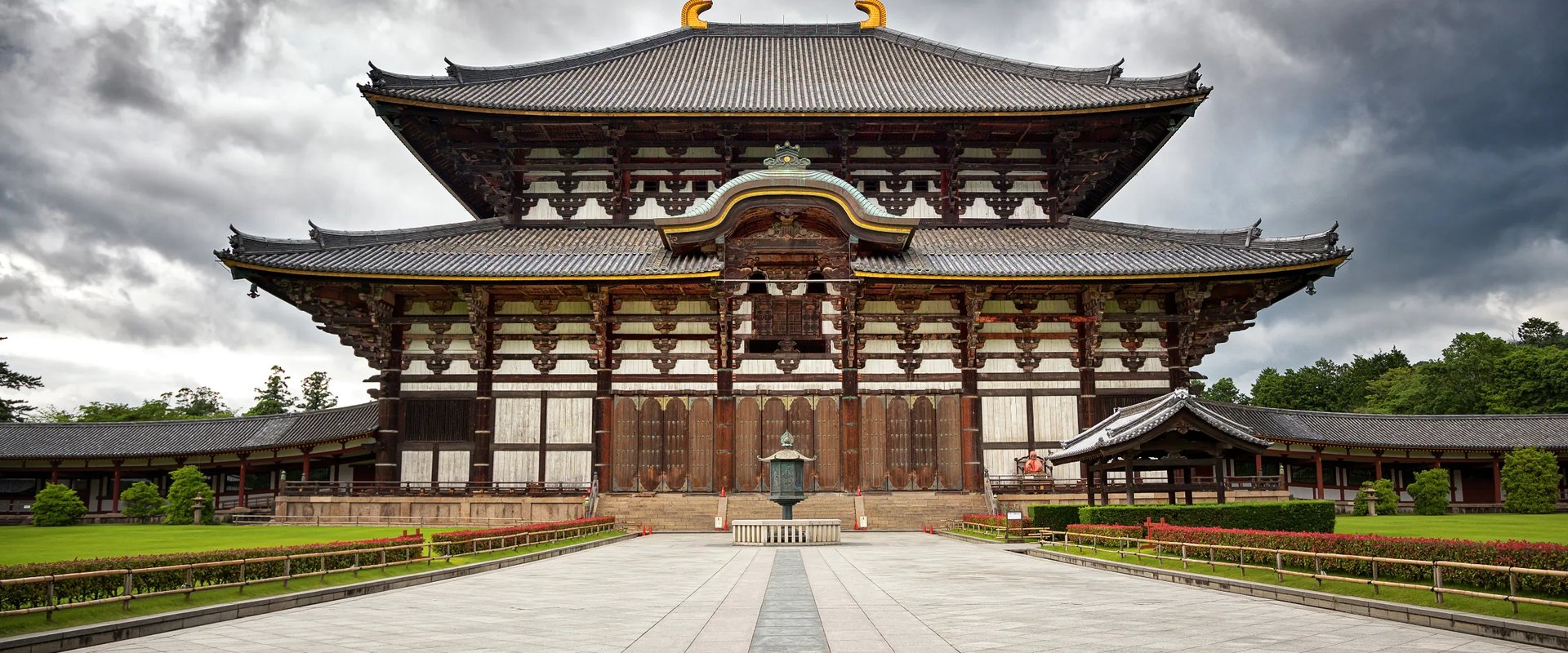
Stand before the Great Buddha at Todai-ji. The Daibutsu-den hall is among the largest wooden buildings on earth, and the seated bronze Buddha inside is Japan's biggest. Entry is ¥800 ($5). Look for the pillar with a hole said to match the Buddha's nostril — children (and thin adults) crawl through it for luck.

Walk the lantern path to Kasuga Taisha. Three thousand stone and bronze lanterns line the forest approach to this vermilion Shinto shrine — mossy, atmospheric and beautiful in any season. Deer follow you most of the way, and the outer grounds are free.

See Kofuku-ji's five-storey pagoda, the park's landmark near Kintetsu Nara station, and finish in Naramachi, the preserved merchant quarter of narrow lanes, machiya townhouses, craft shops and cafes.

If time remains, the garden at Isuien offers the classic borrowed-scenery view with Todai-ji's roof floating over the trees.

Best time to visit

March to May and October to November are the sweet spots — comfortable walking weather, cherry blossoms around the park in early April and fiery maples in late November. Summer is hot and humid (carry water; the park has little shade on main paths). Winter is cold but uncrowded, and the deer are still out.

Whatever the season, arrive by 9 am. Nara is a day-trip magnet, and tour groups fill the Todai-ji approach from late morning.

Getting there and where it fits

Nara is a day trip, not a base. From Osaka-Namba, the Kintetsu line takes about 40 minutes; from Kyoto, Kintetsu trains take about 45 minutes. JR runs from both cities too and is covered by the Japan Rail Pass — Kintetsu is not. Kintetsu Nara station puts you a short walk from the park; JR Nara station is about 15 minutes further out.

The classic move is to slot Nara between Kyoto and Osaka: check out of Kyoto in the morning, leave your bags in station lockers, spend the day with the deer, and sleep in Osaka that night. See the full Japan guide for route ideas.

Good to know

Frequently Asked Questions

Online now

We're here for you, 24/7

Real humans on WhatsApp and phone — before, during and after your trip. We typically reply in minutes.