Skip to content
ReadyTrip
Kyoto

city

Kyoto

A thousand temples, red torii gates and old Japan at walking pace

Overview

Kyoto in brief

Kyoto was Japan's capital for a thousand years, and it keeps what Tokyo modernised away — 1,600 temples, wooden teahouses and lanes where geisha still walk to work. If Tokyo is Japan's future, the best things to do in Kyoto are all about its past.

There is no airport in Kyoto. Fly into Osaka's Kansai airport (KIX) and take the 75-minute Haruka express, about ¥3,600 ($22). From Tokyo, the Shinkansen takes 2 hours 15 minutes.

Good to know

At a Glance

Best Time

March-April (blossoms) and November (autumn leaves)

Getting There

Fly to Osaka Kansai (KIX), then 75 minutes by train; 2h15m from Tokyo by bullet train

Local Transport

City buses + two metro lines; a day pass covers the temples

Ideal Days

2-3 days

Temples, shrines and cultural experiences

Kyoto walking and city tours

Top things to do in Kyoto

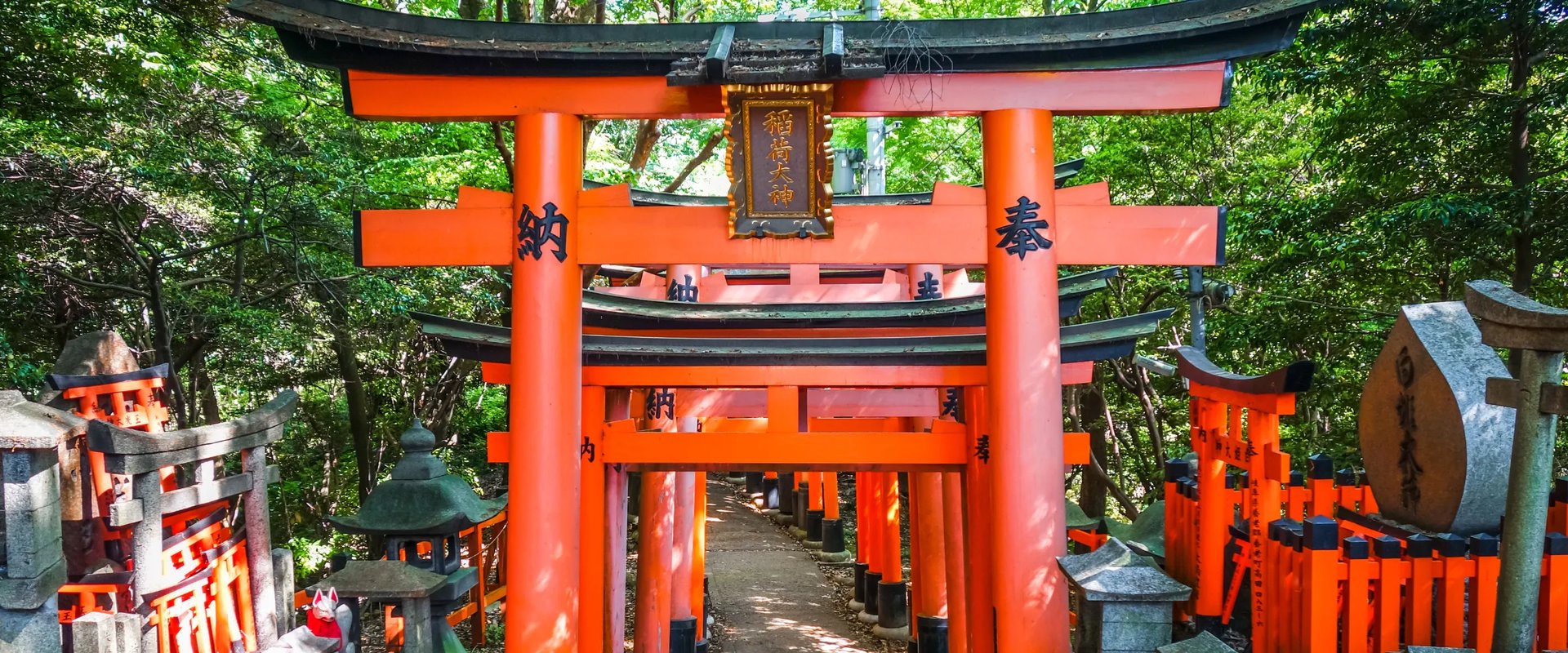
Fushimi Inari Taisha — the mountain path through ten thousand red torii gates, free and open all night. Arrive at sunrise for empty gates; by mid-morning it is the most crowded place in Japan.

Kinkaku-ji (Golden Pavilion) — a temple covered in real gold leaf above a mirror pond. Entry about ¥500 ($3). The viewing path takes only 30-40 minutes, so pair it with nearby Ryoan-ji rock garden.

Arashiyama bamboo grove and Togetsukyo bridge — the bamboo path is free and short (10 minutes); the real charm is the riverside area around it. Add the monkey park uphill, about ¥600 ($4), for city views with wild macaques.

Kiyomizu-dera and the Higashiyama lanes — a wooden temple terrace hanging over the hillside, entry about ¥500 ($3). The sloping lanes below it (Sannenzaka, Ninenzaka) are Kyoto's prettiest walk. Go at 7-8am; by noon it is a slow-moving queue.

Gion at dusk — Kyoto's geisha district is a free evening walk under lantern light. Nishiki Market nearby is the spot for dinner snacks; several stalls do veg-friendly tofu and pickles.

Nijo Castle — shogun palace with 'nightingale floors' that chirp to reveal intruders. About ¥1,300 ($8) with the palace interior. Skip it if you only have one day — temples are Kyoto's stronger card.

Nishiki Market and a tea ceremony — the 400-metre covered food lane is called 'Kyoto's kitchen'; a grazing lunch costs about ¥1,000-1,500 ($6-$9), with yuba (tofu skin) and pickle stalls that suit vegetarians. Small-group tea ceremonies near Gion run about ¥3,000 ($18) and take under an hour — the best-value cultural add-on in the city.

Ginkaku-ji and the Philosopher's Path — the 'Silver Pavilion' (about ¥500 / $3) sits at the top of a 2-km canal-side walk lined with cherry trees. In blossom weeks it is the best free walk in Kyoto; the rest of the year it is a quiet way to link the eastern temples.

Sanjusangendo — a 120-metre wooden hall holding 1,001 gilded statues of Kannon, entry about ¥600 ($4). It is ten minutes from Kyoto Station, indoors, and one of the most startling sights in Japan — a strong rainy-day pick.

Best time to visit

Late March to mid-April (cherry blossoms) and the second half of November (autumn maples) are Kyoto at its most beautiful — and its most booked. Reserve hotels 3-4 months ahead for those weeks.

May, June and October are the smart middle: green, mild and cheaper. July-August is very hot and humid; if you come then, copy the locals — temples at dawn, museums at noon. Winter is cold but crowd-free, and Kinkaku-ji under snow is a famous sight if you get lucky.

Getting around

Kyoto is a bus city. A one-day subway-and-bus pass costs about ¥1,100 ($7) and covers every major temple route. Google Maps handles the bus numbers reliably.

The main sights cluster into zones — east (Kiyomizu, Gion), north (Kinkaku-ji), southeast (Fushimi Inari) and west (Arashiyama). Do one zone per half-day instead of criss-crossing town; that single change saves hours. Taxis are plentiful and fine for short hops between temples in one zone.

Day trips from Kyoto

Nara is the day trip to take. The 45-minute train ride (around ¥800 / $5 each way) delivers over a thousand bowing wild deer and the giant bronze Buddha at Todai-ji, entry about ¥800 ($5). Half a day covers it — and hold the deer crackers out of reach until you are ready, because the deer are not shy.

Uji, 20 minutes south by local train, is Japan's matcha town. Byodo-in temple — the building on the ¥10 coin — charges about ¥700 ($4.50), and the tea houses along the river grind their own powder. It stays quiet even when Kyoto is packed.

Osaka works as an evening trip: 15 minutes by Shinkansen or about 30 by local train puts you in Dotonbori for dinner, then back before the last train.

Kyoto with kids

Kyoto works for kids if you ration the temples. Children usually enjoy Fushimi Inari — the torii tunnels feel like a game, and you can turn back whenever legs give out — and Kinkaku-ji's short loop. They endure, rather than enjoy, quiet stops like rock gardens, so cap temples at two a day.

The two reliable hits are the Arashiyama monkey park (a steep 20-minute climb, so carry water) and the Kyoto Railway Museum near the station — real steam trains and driving simulators, about ¥1,500 ($9) for adults and less for kids.

Stay downtown near Kawaramachi, the same all-rounder pick as the stay FAQ — flat, walkable, food at kid-friendly hours. Buses get packed and stroller space is tight, so prefer the subway plus short walks, as Common mistakes below advises. Pace each day as one temple morning plus one fun afternoon, and give a day to Nara's bowing deer — the best kid moment in Kansai (see Day trips).

Common mistakes in Kyoto

Seeing too many temples is the classic error. After three or four in a day they blur together; pick fewer and add a market, a garden or a tea ceremony instead.

Timing mistakes cost the most. Reaching Fushimi Inari mid-morning means queueing through the gates — go at sunrise or after 4pm. Criss-crossing the city instead of doing one zone per half-day wastes hours on buses, which also jam at rush hour; the subway plus a short walk often beats a 'direct' bus. And blossom- and autumn-week hotels sell out months early, so book those first. Big luggage on city buses is its own mistake — use coin lockers at Kyoto Station or a hotel-to-hotel forwarding service between cities.

Finally, don't chase geisha photos in Gion. Some private lanes now fine photography, and a booked cultural show is the better way to see the tradition anyway.

Where it fits in your trip

Kyoto is the middle act of the classic Tokyo-Kyoto-Osaka route. Stay 2-3 nights here between Tokyo and Osaka — Osaka is only 15 minutes away by Shinkansen, so some travellers sleep in Osaka (cheaper hotels) and temple-hop into Kyoto each morning.

Nara, with its bowing deer and the giant bronze Buddha, is a 45-minute train ride and the best half-day trip from Kyoto. Visa steps and rail-pass maths for the whole route are on our Japan page.

Good to know

Frequently Asked Questions

Online now

We're here for you, 24/7

Real humans on WhatsApp and phone — before, during and after your trip. We typically reply in minutes.