Skip to content
ReadyTrip
Australia

destination

Australia

Overview

An Australia trip is a big-ticket holiday: long flights from almost everywhere, a visa step for every nationality, and daily costs well above Southeast Asia. It rewards the effort — Sydney's harbour, Melbourne's laneways, the Great Barrier Reef — but this is a plan-months-ahead destination, not a long-weekend one.

Sort the visa first, because processing times vary widely by passport. Everything else — flights, hotels, tickets — follows once that's confirmed. This page covers entry rules, the cities we sell tickets in, money, and how to get around.
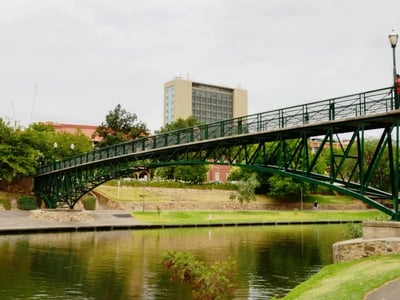
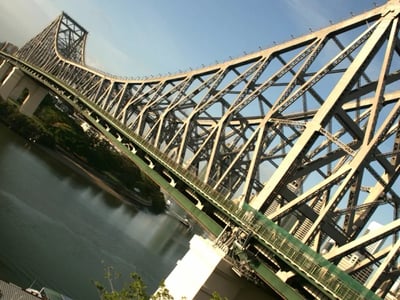
Cities to Explore

Visa and entry rules

Everyone except New Zealand citizens needs a visa or travel authority for Australia, and there is no visa on arrival — every option is applied for online before you fly.

Eligible passport holders can request an ETA (subclass 601) through the Australian ETA app, while eligible European passport holders may use the eVisitor (subclass 651). Eligibility, cost, processing and permitted stay should be checked on Home Affairs for the traveller's passport; approval is not guaranteed on a fixed timeline.

Travellers who are not eligible for those routes may need the Visitor visa (subclass 600) through ImmiAccount. The tourist stream currently starts at A$250, and supporting evidence depends on the case. Use Home Affairs' live processing-time guide, apply well ahead and keep travel refundable until the grant arrives.

Rules and fees change — confirm your nationality's current requirements on the Home Affairs site before booking anything non-refundable.

Best time to visit

Remember the seasons are flipped: Australian summer is December-February, winter is June-August. The best all-round windows are September to November (spring) and March to May (autumn) — mild weather, thinner crowds, and better hotel rates than summer.

December-January is peak: school holidays, high prices, and hot days that suit beaches. June-August is cool in Sydney and Melbourne (8-17°C) but is the best time for Cairns and the reef, which sit in the tropics. Whale-watching season along the east coast runs roughly May to November — a real bonus for winter visitors.

Top cities

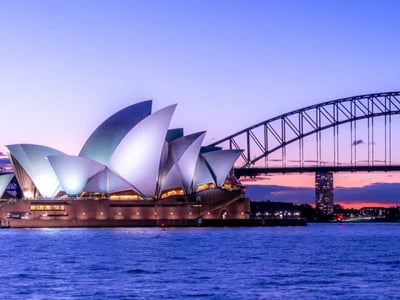
Sydney is the postcard: Opera House, Harbour Bridge climb, Bondi Beach, and Taronga Zoo across the water. Give it 3-4 days. Most long-haul flights land here or in Melbourne.

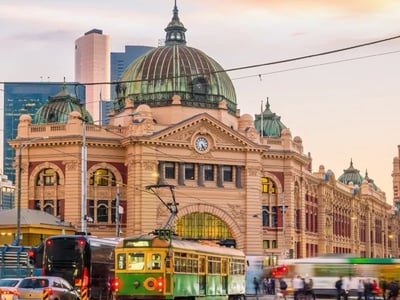
Melbourne is the culture-and-coffee city — laneway street art, the MCG for cricket fans, and the Great Ocean Road day trip to the Twelve Apostles, the best single day trip in the country.

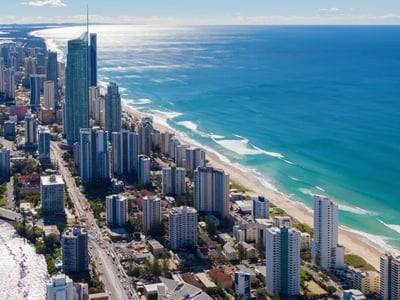
Gold Coast is the family stop: Australia's theme-park strip (Movie World, Sea World, Dreamworld) plus surf beaches. Multi-park passes beat single-day gates if you are staying three days or more.

Cairns is the launchpad for the Great Barrier Reef — snorkel day cruises run about A$200-A$300 ($140-$210), and the Kuranda scenic railway fills the non-reef day. We also sell in Brisbane (koala sanctuary, an hour from the Gold Coast parks), Perth for the west coast and Rottnest Island's quokkas, and Adelaide.

Australia with kids

Sydney and the Gold Coast are the two family bases that need no backup plan. Sydney fills 3-4 days with Taronga Zoo, harbour ferries (a ride is an event in itself), and calm-water beaches like Balmoral; the Gold Coast adds the parks plus patrolled surf beaches. Melbourne works too, but its best day trips mean long drives with car seats.

By age: under-5s get the most from wildlife parks, where koala and kangaroo encounters need no queuing stamina; 6-12s are the theme-park sweet spot; teens can add a surf lesson or the Cairns reef snorkel.

Two safety notes to take seriously. Australian sun burns fast — hats and SPF50+ are non-negotiable, even on cloudy days. And only swim between the red-and-yellow flags on patrolled beaches; rips are the real hazard, not sharks. One tip: Australian school-holiday weeks (late December-January, Easter) spike hotel and park prices — term time is far cheaper.

Money and payments

Australia is essentially cashless — cards and phone wallets tap everywhere, including buses and market stalls. Carry A$100-200 ($70-$140) in cash at most; many people finish a trip without touching notes.

Prices will sting if you arrive from Asia: coffee around A$5 ($3.50), a casual meal A$20-30 ($14-$21), and big attractions often A$40-100 ($28-$70). Tipping is not expected — one genuine saving. Use a card with no foreign-transaction markup; the standard 3% fee adds up fast at Australian spend levels.

Supermarkets (Coles, Woolworths) are the budget traveller's kitchen — ready meals cost a third of restaurant prices. Vegetarians eat well in the big cities: clear menu labelling is standard, and Sydney and Melbourne have deep benches of South Asian, Middle Eastern and vegan restaurants.

What things cost

Budget around A$250-350 ($175-$245) per person per day, hotel included, for a comfortable mid-range trip. Australia sits near the top of world travel prices, so knowing the bands ahead helps.

A typical city day breaks down like this:

  • Public transport with daily fare caps: A$10-15 ($7-$10)
  • Coffee and a bakery breakfast: A$12-18 ($8-$13)
  • Casual lunch: A$20-30 ($14-$21)
  • Restaurant dinner: A$30-50 ($21-$35)
  • One attraction (zoo, aquarium, tower): A$40-70 ($28-$49)
  • Mid-range hotel: A$150-250 ($105-$175) a night

The premium tickets sit above that: a reef day cruise from Cairns is A$200-300 ($140-$210), and the Sydney Harbour Bridge climb runs several hundred dollars. Balance them with the free icons — Bondi and the coastal walks, Melbourne's laneways and free trams, and every city's botanic gardens cost nothing. Supermarket meals and picnic lunches are the single easiest way to pull the daily number down.

Getting around

Between cities, fly. Sydney to Melbourne or Brisbane is about 1.5 hours, and Qantas, Jetstar and Virgin sales bring one-way fares to A$70-120 ($50-$85). Distances are continental: driving Sydney to Cairns is 2,400 km, so never plan a "quick" road trip between regions.

Inside cities, public transport is excellent. Sydney's Opal system takes a tap from any contactless bank card; Melbourne runs on trams, free within the city-centre Free Tram Zone. Expect around A$3-5 ($2-$3.50) per ride with daily fare caps.

Rent a car only for specific drives — the Great Ocean Road, the Blue Mountains — and remember Australia drives on the left. Two rules that catch visitors off guard: biosecurity is serious, so declare every food item on the arrival card (undeclared food draws heavy on-the-spot fines), and outside city centres many shops and restaurants close by 5-6 pm, so plan dinners ahead.

A simple first-trip route

Ten days, two cities, open-jaw flights — fly into Sydney and home from Melbourne, or the reverse. That saves a backtrack flight and both cities have strong long-haul connections.

  • Days 1-4 — Sydney. Opera House and Circular Quay, the ferry to Taronga Zoo, Bondi and the coastal walk, plus a Blue Mountains day trip by train.
  • Day 5 — fly to Melbourne. The flight is about 1.5 hours; book a morning departure and you lose half a day, not a whole one.
  • Days 5-8 — Melbourne. Laneways and markets, the MCG or a river cruise, and the Great Ocean Road day trip to the Twelve Apostles.
  • Days 9-10 — spare days. Add a Yarra Valley or Phillip Island penguin trip, or just slow down.

With 13-14 days, add Cairns for the reef — a 3-hour flight from either city — or swap it for the Gold Coast if travelling with kids who care more about theme parks than snorkelling.

Good to know

At a Glance

Best Time

September to November and March to May — mild weather, thinner crowds, better rates

Currency

Australian Dollar (AUD); roughly $1 = A$1.44 (rates move — check before you go)

Visa

ETA or free eVisitor for many nationalities; visitor visa (subclass 600) for the rest — everyone applies online before flying. Check current requirements

Timezone

Sydney and Melbourne GMT+10 (GMT+11 in summer); Perth GMT+8

Flight Time

Long-haul for most — around 8 hours from Singapore, 13 hours from Delhi, 15 hours from Los Angeles, 22+ from London

Good to know

Frequently Asked Questions

Online now

We're here for you, 24/7

Real humans on WhatsApp and phone — before, during and after your trip. We typically reply in minutes.