Skip to content
ReadyTrip
Thailand

destination

Thailand

Overview

Thailand is one of the easiest first international trips there is. Entry is visa-free for most nationalities, flights connect well from almost anywhere in Asia, Europe and Australia, and daily costs stay low without feeling like you're roughing it. A full day of street food, transport, and one big attraction can fit into ฿1,000-1,300 (about $30-$40).

The best window is November to February, when it's dry and not brutally hot. This page covers the visa rules, the cities we sell tickets in, money, and how to get around. Use it to plan the trip; use the city pages to book.

Cities to Explore

Visa and entry rules

Thailand's entry rules depend on your passport and, in 2026, your arrival date. A revised visa-exemption scheme was approved in July but begins only after the required Royal Gazette publication and 15-day waiting period. Check the Thai embassy serving your country before paying for non-refundable travel.

One requirement is clear: non-Thai travellers who pass immigration must fill in the free Thailand Digital Arrival Card (TDAC) within the three days before arrival, including the arrival day. Immigration may also ask for an onward ticket, accommodation details and evidence that you can pay for your trip. Keep those documents easy to open.

For official updates, use Thailand's Ministry of Foreign Affairs or the Thai embassy responsible for your country rather than a cached visa list.

Best time to visit

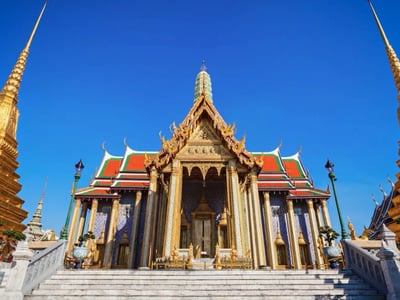
November to February is the best time. Days are dry, around 28-32°C, and the sea is calm for island trips. It's also peak season — expect crowds at the Grand Palace and higher hotel rates in Phuket.

March to May is hot, often above 35°C. June to October is monsoon: short heavy showers, not all-day rain. The monsoon is the cheapest time to go, and Bangkok stays fully usable. Skip the west-coast islands (Phuket, Krabi) in September, the wettest month, when boat trips get cancelled most often.

Top cities

Bangkok is the capital and where most trips start. It packs temples, mega-malls, Safari World, and river cruises into one city. Give it 2-3 days minimum.

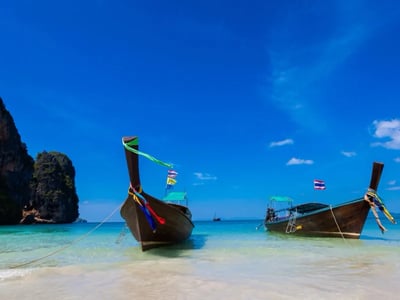
Phuket is Thailand's biggest island, with Patong beach, tiger parks, and boat trips to the Phi Phi islands. It suits couples and families who want beach plus nightlife in one place.

Pattaya is 2 hours from Bangkok by road, which makes it the standard add-on to a Bangkok trip. Expect cabaret shows, water parks, and coral island tours. It's louder and cheaper than Phuket.

Krabi is quieter than Phuket with better scenery — limestone cliffs and the four-island boat tours from Ao Nang. Pick it over Phuket if you care more about beaches than nightlife.

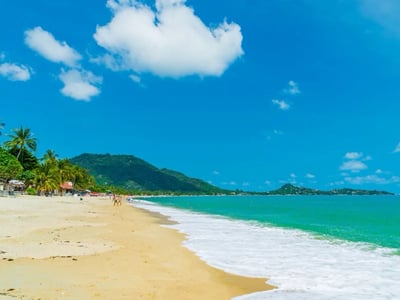
Koh Samui and Chiang Mai suit second trips: Samui for a slower island holiday, Chiang Mai for temples, night markets, and elephant sanctuaries in the north. Samui is on the east coast, so its weather is at its best when Phuket's is at its worst.

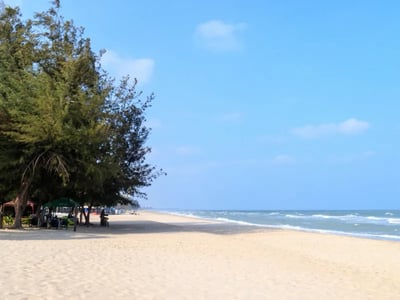
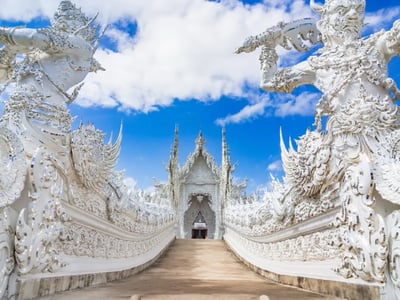
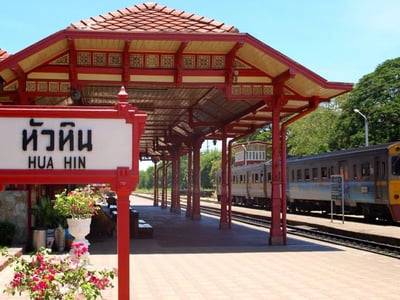
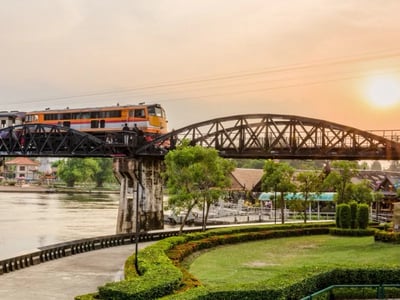
Hua Hin is the quiet beach option 3 hours from Bangkok — water parks, night markets, and none of Pattaya's noise, which is exactly why Thai families pick it. Chiang Rai pairs with Chiang Mai for the White Temple, and Kanchanaburi is Bangkok's history day trip: the Bridge on the River Kwai and Erawan waterfalls.

Money and payments

Thailand still runs more on cash than a lot of visitors expect, especially outside Bangkok. Cards work in malls, hotels, and chain stores, but street food, tuk-tuks, and small shops are cash-only. Carry Thai Baht — ฿100 is roughly $2.75-$2.90, though the rate moves.

Exchange money in Thailand rather than at your home airport — city exchange counters (Super Rich and similar chains in Bangkok) generally beat airport rates. ATMs charge a flat fee of around ฿220 (about $6) per withdrawal on foreign cards, so withdraw larger amounts less often.

Budget roughly $18-$25 per person per day for food and local transport, before attraction tickets.

Vegetarians manage fine with a little care. Look for "jay" (เจ) signs for pure veg food, and learn one phrase: "mai sai nam pla" — no fish sauce, which hides in almost everything from soups to stir-fries.

Food to try

Street food is the best reason to eat in Thailand, and busy stalls with high turnover are safe. Pad thai, som tam (papaya salad), and grilled chicken with sticky rice run ฿50-฿100 ($1.50-$3) a plate. Tom yum soup and green curry cost a little more at sit-down shops.

Two regional dishes are worth planning around. Khao soi, a curried noodle soup, is Chiang Mai's signature. Boat noodles near Bangkok's Victory Monument come in small ฿20-฿25 bowls, so you can try several.

Finish with mango sticky rice — around ฿80-฿120 ($2.50-$3.50) at markets, best during the March-June mango season. Vegetarians: the yellow "jay" flags mentioned above cluster in food courts and near Chinese temples, and mall food courts always have a veg counter.

Getting around

Inside Bangkok, use the BTS Skytrain and MRT metro — fares run ฿17-45 (roughly $0.50-$1.30) per ride and they skip the traffic entirely. Use Grab (the local ride-hailing app) instead of flagging taxis; it removes the meter-refusal haggling that street taxis are known for.

Between cities, domestic flights are cheap and frequent: Bangkok to Phuket is about 1.5 hours and often $70-$110 one way if booked early. Bangkok to Pattaya is a 2-hour taxi or bus ride, roughly $85 by private car or under $10 by public bus.

Tuk-tuks are fun once, but agree the price before you sit down. For islands, ferries and speedboats are usually bundled into day-tour tickets, which is the simpler way to book them.

One arrival note: Bangkok has two airports. Most full-service international carriers land at Suvarnabhumi (BKK), which has a direct rail link to the city; budget carriers often use Don Mueang (DMK), which doesn't — budget about an hour by taxi from there. Check which one your return flight leaves from before booking your last-night hotel.

Thailand with kids

Thailand is an easy country to travel with kids. The best family bases are Hua Hin for calm, shallow gulf water and short drives, Karon or Kata on Phuket for beach resorts without Patong's noise, and Bangkok, where SEA LIFE and mall play floors rescue rained-off afternoons.

Match plans to age. Under-5s need little more than a pool, an aquarium and one gentle animal park. Ages 6-12 are the sweet spot: water parks, Safari World, ethical elephant sanctuaries. Teens can handle snorkel boat days and ziplines. Skip full-day island-hopping with toddlers — the boat legs are long, hot and shadeless.

Never put a child on a rented scooter, treat red beach flags on the west coast (May-October rip currents) as law, and keep everyone on bottled water. Book outdoor sights for the first morning slot; after noon, the heat wins.

A simple first-trip route

With 7 days, do Bangkok plus one beach stop. Spend days 1-3 in Bangkok for temples, markets and one big attraction. Then either drive 2 hours to Pattaya for days 4-6, or fly 1.5 hours to Phuket or Krabi.

Pattaya is the budget route: no extra flight, and you can sleep in Bangkok the night before flying home. Phuket and Krabi have better beaches but cost a domestic flight each way. Whichever you pick, land back in Bangkok with half a day spare — most international flights leave from there.

With 10 days, add Chiang Mai in the north, a 1-hour flight from Bangkok. The order that works is Bangkok, then Chiang Mai, then the beach — the trip ends with rest, not a rush.

Good to know

At a Glance

Best Time

November to February — dry, warm, and calm seas for island trips

Currency

Thai Baht (THB); roughly $1 = ฿33 (rates move — check before you go)

Visa

30 days visa-free for 50+ nationalities (EU, UK, US, Australia and more); some nationalities use visa on arrival. Rules changed mid-2026 — check current requirements

Timezone

GMT+7

Flight Time

Well connected worldwide — around 11 hours from London, 4 hours from Delhi, 2.5 hours from Singapore

Good to know

Frequently Asked Questions

Online now

We're here for you, 24/7

Real humans on WhatsApp and phone — before, during and after your trip. We typically reply in minutes.