Skip to content
ReadyTrip
Indonesia

destination

Indonesia

Overview

Indonesia is 17,000 islands, but most first trips mean one: Bali. Flights reach Denpasar from most Asian and Australian hubs, entry is a simple visa on arrival for most nationalities, and money goes far — a private pool villa can cost less than a plain city hotel back home.

Budget for two entry costs before you fly: the visa on arrival (Rp 500,000, about $28) and Bali's one-time tourist levy (Rp 150,000, about $8). Then plan around the dry season, April to October. This page covers visas, money and how to get around; use the city pages to book.
Cities to Explore

Visa and entry rules

Most visitors buy a visa on arrival (VOA) instead of applying in advance. Citizens of 90+ countries — including the US, UK, EU states, Australia, India and China — pay Rp 500,000 (about $28) at the airport by card or cash. It covers 30 days and can be extended once for another 30; the extension costs another Rp 500,000. ASEAN citizens enter visa-free.

The e-VOA is worth 15 minutes online. Apply on Indonesia's official immigration site (evisa.imigrasi.go.id) before flying and you skip the payment counter — Denpasar's VOA queue after a red-eye can eat an hour. Indonesia has also introduced an electronic arrival card — fill it in online shortly before you travel.

Bali charges a separate one-time tourist levy of Rp 150,000 (about $8) per entry. Pay it on the official Love Bali portal before you land and keep the receipt on your phone. Your passport needs six months' validity, and you may be asked for a return or onward ticket. Rules can change, so confirm your nationality's current requirements before booking non-refundable flights.

Best time to visit

April to October is Bali's dry season and the best time to go. Expect 28-31°C, sunny days, and calm seas for Nusa Penida boat trips. July-August is peak — book villas and popular day tours 3-4 weeks ahead.

November to March is the wet season. Rain comes in heavy bursts rather than all-day washouts, mornings are often clear, and hotel prices drop noticeably. December-January is the wettest and most crowded (holiday season) — the worst combination, avoid it if you can.

One date to check: Nyepi, Bali's day of silence, usually in March. The whole island — including the airport — shuts down for 24 hours. Hotels stay open, but no flights land or leave.

Top cities

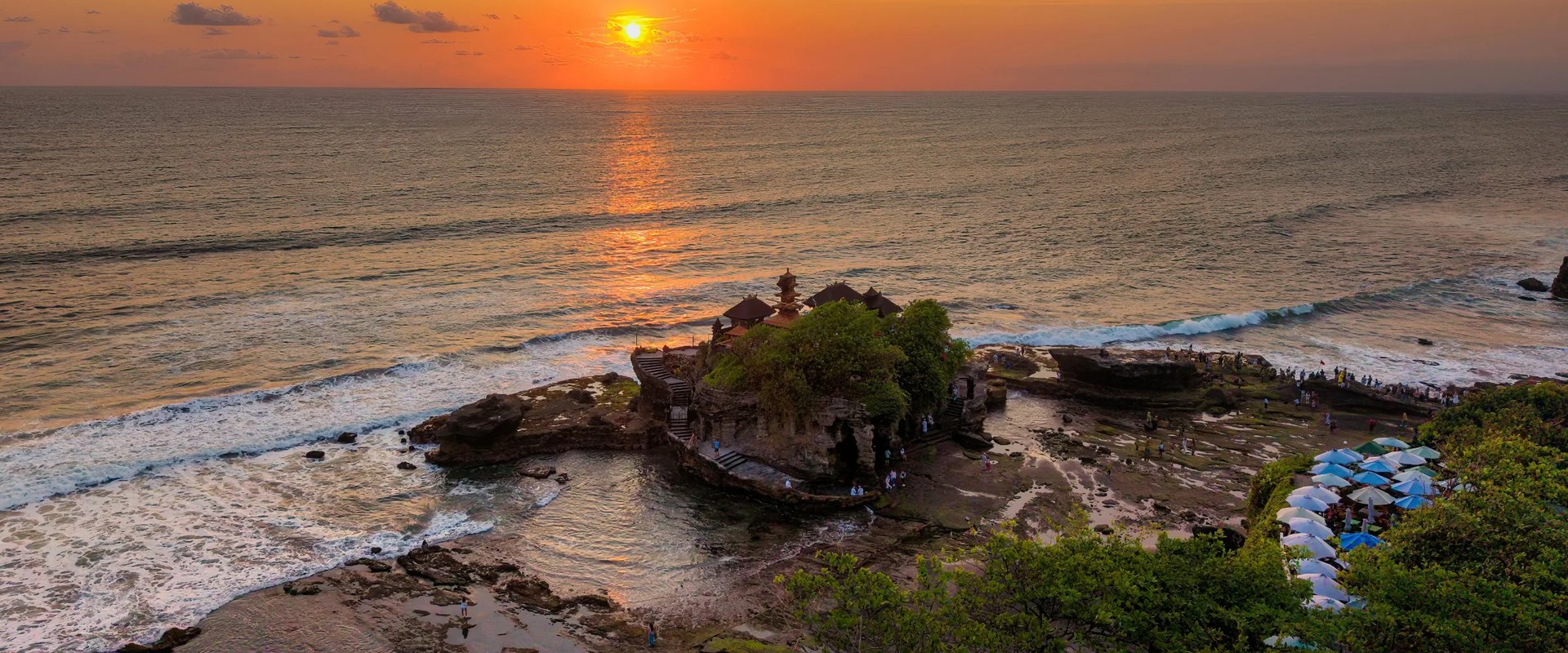
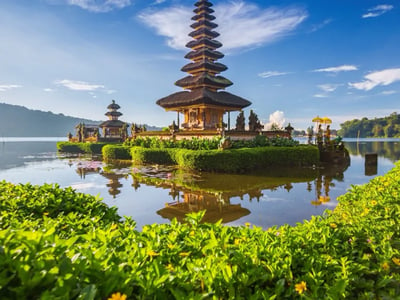
Bali — the island itself is our main hub: beach zones (Kuta, Seminyak, Uluwatu), sea temples like Tanah Lot, the Uluwatu kecak fire dance, water sports, and Nusa Penida boat trips. Five to seven days is the sweet spot.

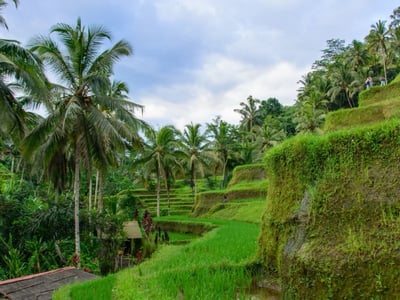
Ubud is inland Bali — rice terraces, the Monkey Forest, waterfalls, and the swings-over-the-jungle photos. Stay 2-3 nights rather than day-tripping; mornings before the tour buses are the best hours you will get.

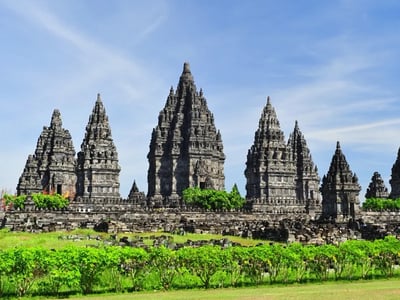
Yogyakarta is the culture stop: sunrise at Borobudur — the world's largest Buddhist monument — and the Prambanan Hindu temple complex, both UNESCO sites, a one-hour flight from Bali.

Lombok and the Gili islands next to it are what Bali's beaches were twenty years ago: quieter, cheaper, and a 30-minute flight or a fast boat away.

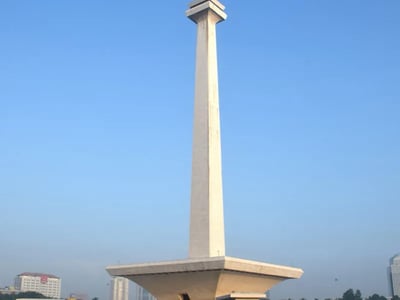
Jakarta is the capital and a business city; most tourists only transit it. A layover day covers the old town (Kota Tua) and the national monument.

Money and payments

Indonesia runs on cash more than most visitors expect, and the zeros take a day to get used to — Rp 100,000 is about $5.50. Warungs (local eateries), drivers and small shops want cash; hotels, malls and bigger restaurants take cards.

Withdraw rupiah from ATMs attached to real bank branches (BCA, Mandiri) — card skimming is a known problem at standalone machines on tourist strips. Money changers advertising too-good rates and "no commission" are the classic Bali scam; use authorised counters with posted rates.

Budget roughly Rp 450,000-650,000 ($25-$36) per person per day for food, a shared driver and small entry fees, before big-ticket activities.

Vegetarians eat well here. Gado-gado, tempeh and vegetable nasi goreng are on every warung menu, and Ubud is packed with dedicated veg and vegan cafes.

Getting around

There is no metro or usable public transport in Bali — you ride or you are driven. The standard tourist setup is a car with driver: Rp 600,000-800,000 ($33-$44) for 8-10 hours, split between whoever shares the car. Most of our Bali day tours include this.

Gojek and Grab (bike and car) are cheap for short hops — a 15-minute ride runs Rp 20,000-35,000 ($1-$2).

Distances lie in Bali: 40 km can take 2 hours on village roads. Plan one region per day — south beaches, Ubud and the centre, or the east — instead of criss-crossing.

Renting a scooter costs Rp 75,000-100,000 ($4-$5.50) a day, but be honest about the risk: you need an international driving permit, police checks are common, and Bali traffic hospitalises unprepared riders every week. If you don't ride daily at home, take the driver.

Between islands, fly: Bali-Lombok is 30 minutes and Bali-Yogyakarta about an hour. Fast boats link Bali to the Gili islands in 1.5-2.5 hours but get rough in windy months.

Indonesia with kids

For a family trip, base in Sanur or Nusa Dua rather than Kuta or Seminyak. Sanur's reef-sheltered water is calm and shallow, and its flat beach path is the most stroller-friendly stretch in Bali; Nusa Dua is the gated-resort version with the same quiet sea. Add two nights in Ubud for rice-terrace walks — just enforce the Monkey Forest rule: no loose sunglasses, bottles or snacks in small hands.

Toddlers do best on the pool-and-beach rhythm plus one Bali Safari day. Ages 6-12 peak at Waterbom water park and the waterfalls near Ubud. Teens can take surf lessons at Kuta's beginner breaks or snorkel Nusa Penida — expect a choppy boat crossing.

Swim between the flags on the Kuta-Seminyak strip; the rips there are strong. The scooter warning above goes double with a child on board. Bottled water for everything, teeth included. And plan long drives for after lunch — Bali's slow transfers double as nap time.

A simple first-trip route

Seven days split between south Bali and Ubud is the best first plan. Days 1-3: base in Seminyak or Uluwatu for beaches, the Uluwatu temple kecak fire dance at sunset, and one water-sports morning. Day 4: move to Ubud, about 1.5 hours by car. Days 5-6: rice terraces and waterfalls one day, the Monkey Forest and market the next. Day 7: Nusa Penida boat trip from Sanur, then sleep near the airport for the flight home.

Two rules make Bali itineraries work. Change hotels once, not four times — the roads are slow, and every move burns half a day. And book the famous spots for early morning; the tour buses arrive by 10 am.

With 10 days, add the one-hour flight to Yogyakarta for a Borobudur sunrise, or 2-3 nights on Lombok and the Gilis. Both loop back through Bali's airport for the flight home.

Good to know

At a Glance

Best Time

April to October (Bali dry season)

Currency

Indonesian Rupiah (IDR); roughly $1 = Rp 18,000 (rates move — check before you go)

Visa

Visa on arrival or e-visa for 90+ nationalities — Rp 500,000 (about $28) for 30 days; ASEAN citizens visa-free

Timezone

Jakarta GMT+7; Bali GMT+8

Flight Time

Bali is around 2.5 hours from Singapore, 6 hours from Sydney, 7 hours from Delhi, 16+ hours from London

Good to know

Frequently Asked Questions

Online now

We're here for you, 24/7

Real humans on WhatsApp and phone — before, during and after your trip. We typically reply in minutes.