Skip to content
ReadyTrip
Philippines

destination

Philippines

Overview

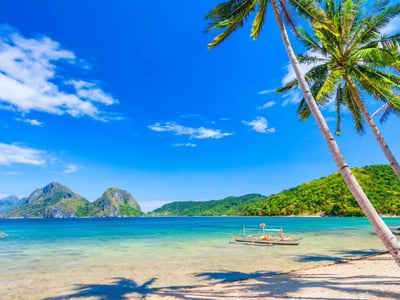
The Philippines is 7,000+ islands, and the best places to visit among them are world-class — El Nido's limestone lagoons and Boracay's White Beach trade blows with the Maldives at a fraction of the price. Entry is visa-free for most nationalities, English is spoken everywhere, and daily costs stay low: a local meal runs ₱150-₱300 ($2.50-$5).

The trade-off is logistics. Islands mean domestic flights and boats, and the June-November typhoon season can cancel both. Treat it as a 7-10 day trip, pick one island per week, and aim for December to May.
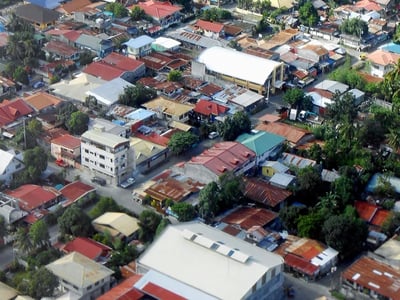
Cities to Explore

Visa and entry rules

Most visitors don't need a visa. Citizens of over 150 countries — including the EU, UK, US, Canada, Australia, Japan and Singapore — enter visa-free, most for stays of up to 30 days. A few nationalities have shorter visa-free windows (around 14 days) or apply through the official e-visa portal (evisa.gov.ph) instead. The Philippines widened its visa-free list in 2025-2026, so check where your passport stands before you book.

One step applies to everyone: register on eTravel (etravel.gov.ph) within 72 hours before arrival. It is free and produces a QR code you show at immigration — ignore any site that charges for it. Immigration can also ask for a return or onward ticket and hotel bookings, and airlines check the ticket at check-in, so don't fly on a one-way fare.

Entry rules can change at short notice — confirm your nationality's current requirements on an official Philippine government or embassy site before booking non-refundable flights.

Best time to visit

December to May is the dry season and the right time to go. February to April is the sweet spot — sunny, seas calm enough for every island-hopping route to run, and past the December-January holiday price peak.

June to November is the wet season, and here it means more than rain: the Philippines takes direct typhoon hits, which cancel ferries, boat tours, and domestic flights, sometimes for days. A wet-season beach trip is a genuine gamble — if you must, buy flexible tickets and travel insurance.

It is hot year-round (28-34°C). Holy Week (March/April, dates shift) sees domestic travel surge and some businesses close. Christmas is huge — Filipinos start celebrating in September, and December flights and resorts price accordingly.

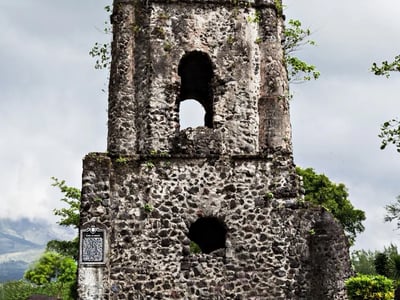
Top cities

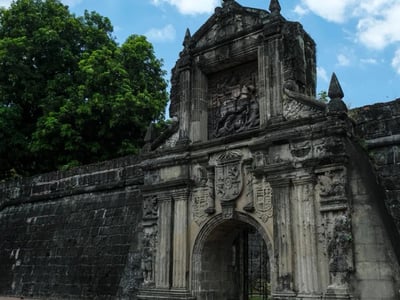
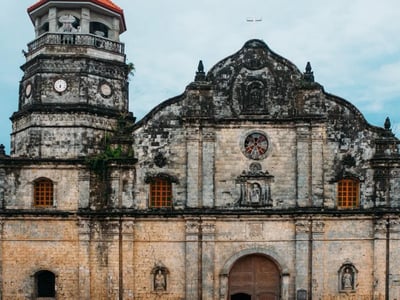
Manila is the gateway and worth one day, not more: the walled Spanish-era Intramuros district, Rizal Park, and the Mall of Asia. Most travellers land, sleep, and fly onward to the islands next morning. Traffic is among the worst in Asia, so keep airport transfers generous.

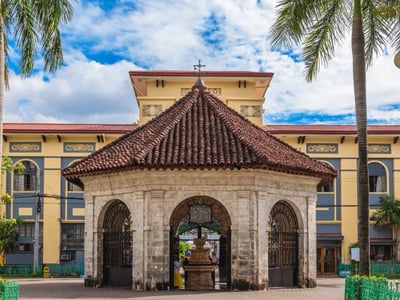
Cebu is the adventure hub — swim near whale sharks at Oslob, canyoneering to Kawasan Falls' blue pools, and island-hop the nearby sandbars. It has its own international airport, so you can skip Manila entirely.

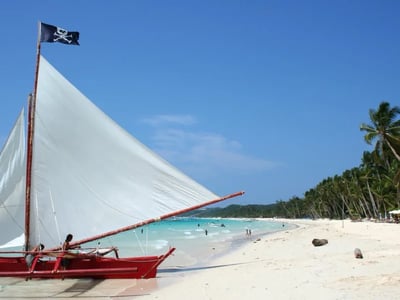
Boracay is the famous one: four kilometres of powder-white beach, sunset paraw sailing, and a walkable beachfront of restaurants. It was closed and cleaned up in 2018, and the visitor caps have stuck — it is calmer than its old party reputation.

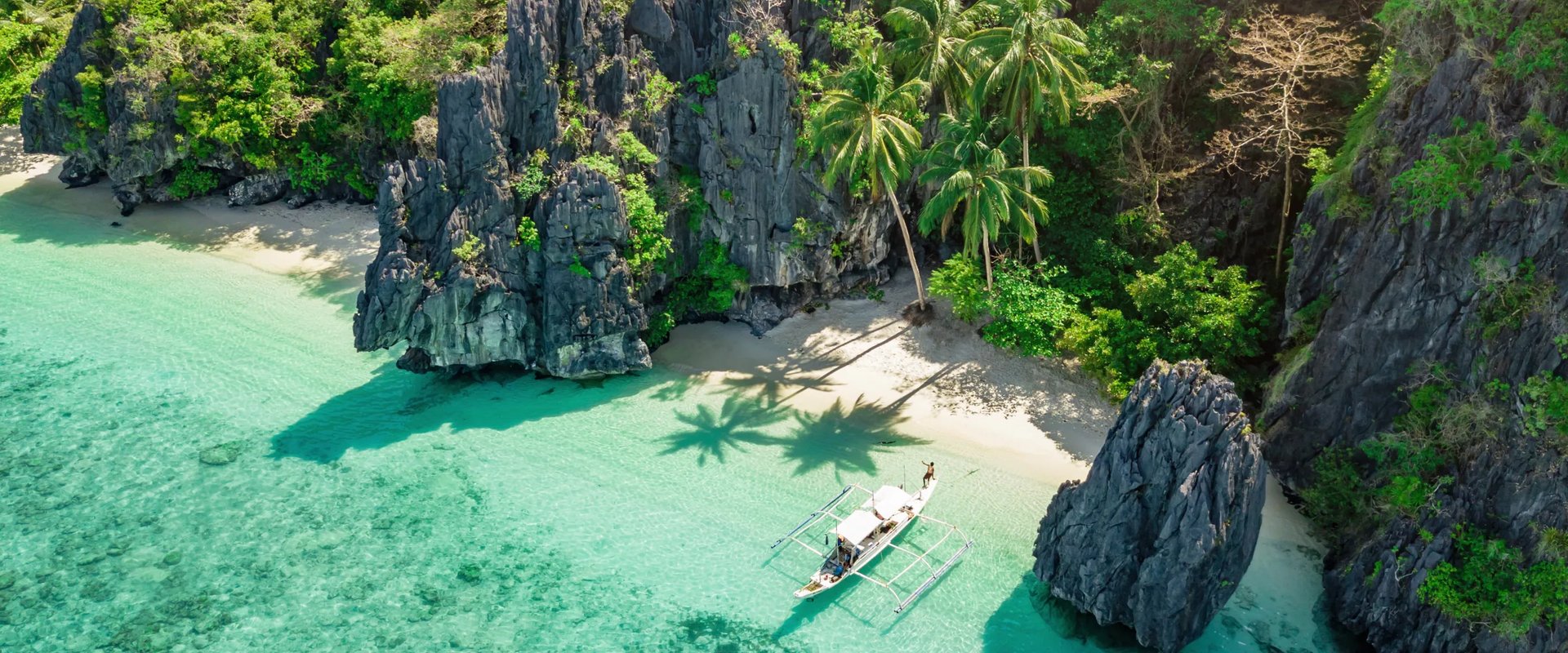
Palawan is the dramatic one — El Nido's lagoon tours and Coron's shipwreck snorkelling are the country's best single day trips, and the Puerto Princesa underground river is a UNESCO site. Pick one island per week of trip; inter-island logistics eat time, and a Boracay-plus-Palawan week means two extra flights.

The Philippines with kids

Cebu is the best family base: an international airport, big resorts on nearby Mactan Island with pools and kids' clubs, and day trips you can scale to any age. Boracay is the runner-up — White Beach's shallow, calm dry-season water is as toddler-friendly as Asia gets. Save Palawan for older kids: El Nido's outrigger tours are long, wet and shadeless.

By age: under-5s are happiest at a Mactan or Boracay resort with one short boat trip; 6-12s can handle island-hopping days and snorkelling; teens get canyoneering and the whale-shark swim.

Be honest about the boats. Transfers can be rough even in dry season, so pack dry bags and seasickness tablets, and keep a spare day before any international flight. One tip: book a private banca instead of a group tour — for a family of four it costs little more and lets you cut the day short when kids fade.

Money and payments

Cash rules outside the big cities. Manila and Cebu malls take cards, but island restaurants, tricycles, boat operators, and even some island hotels are cash-only. ₱100 is about $1.60, though the peso has been weak through 2026 — check the rate before you go.

Withdraw pesos in Manila or Cebu before flying to the islands. El Nido and smaller island towns have few ATMs, they charge around ₱250-₱300 ($4-$5) per withdrawal on foreign cards, and they run out of cash in high season.

Daily costs are Southeast Asia-cheap: local meals ₱150-₱300 ($2.50-$5), island-hopping group tours ₱1,200-₱2,000 ($19-$32) including lunch, beachfront guesthouses from about ₱1,500 ($24). English is spoken everywhere, which makes booking and bargaining painless.

Vegetarians should plan ahead outside the cities. Filipino cooking is meat-and-seafood heavy, so tell island resorts in advance and stock up on fruit at markets.

Food to try

Filipino food is built on rice, vinegar, and slow-cooked meat, and eating well here is cheap. Start with adobo — chicken or pork simmered in soy and vinegar — and sinigang, the sour tamarind soup locals rate above everything else.

In Cebu, order lechon: whole roast pig with crackling skin, and the city's proudest dish. On the coast, try kinilaw, the Filipino take on ceviche — raw fish cured in vinegar and calamansi lime. Breakfasts are "silog" plates: garlic fried rice, a fried egg, and a meat like tapa (cured beef) or longganisa (sweet sausage). Finish with halo-halo, a shaved-ice dessert stacked with fruit, jellies and ube ice cream, or just a fresh mango shake — Philippine mangoes deserve the hype.

Vegetarians have it harder here than elsewhere in Southeast Asia. Most "vegetable" dishes are cooked with pork or shrimp paste, so ask directly. Cities have Indian, Korean and vegan spots, resorts cook veg meals on request, and fruit stalls are everywhere.

Getting around

Between islands, fly: Cebu Pacific, Philippine Airlines, and AirAsia connect Manila and Cebu to Boracay (Caticlan), Palawan (Puerto Princesa/El Nido), and everywhere else, from roughly ₱1,500-₱4,000 ($24-$65) a hop when booked early. Ferries fill the short gaps, but they get cancelled first when weather turns.

Inside towns, transport is charmingly chaotic: jeepneys (shared, around ₱15/$0.25 a ride), tricycles (₱30-₱100/$0.50-$1.60, agree the fare before boarding), and Grab cars in Manila and Cebu.

Island-hopping runs on organised banca (outrigger boat) tours with set routes — in El Nido they are literally lettered Tours A-D. Book them ahead in peak months; some lagoons have daily visitor caps that do sell out.

Build slack into the schedule. Domestic flights shift and boats wait out weather even in dry season, so never fly out of the country on the same day you leave an island — spend the last night in Manila or Cebu.

A simple first-trip route

For a first trip, fly into Cebu and pair it with Palawan — that combination covers adventure and beaches without a Manila detour.

  • Days 1-4 — Cebu. Whale sharks at Oslob, canyoneering to Kawasan Falls, and an island-hopping day to the nearby sandbars.
  • Days 5-8 — El Nido, Palawan. Fly across, then take the lettered lagoon tours — Tour A alone justifies the trip.
  • Day 9 — buffer night. Fly back to Cebu or Manila and sleep there before the international flight, in case weather shifts a boat or flight.

If the trip is pure beach, simplify further: fly through Manila straight to Boracay and stay put for 5-6 days. Either way, resist adding a third island — the honest maths is one island per week.

Good to know

At a Glance

Best Time

December to May (dry season); February to April for the calmest seas

Currency

Philippine Peso (PHP); roughly $1 = ₱62 (rates move — check before you go)

Visa

Visa-free for citizens of 150+ countries, most for up to 30 days; some nationalities get shorter stays or use the e-visa. Everyone registers on eTravel before arrival

Timezone

GMT+8

Flight Time

Around 4 hours from Singapore, 2.5 hours from Hong Kong, 14 hours from Los Angeles; many routes connect through Asian hubs

Good to know

Frequently Asked Questions

Online now

We're here for you, 24/7

Real humans on WhatsApp and phone — before, during and after your trip. We typically reply in minutes.