Skip to content
ReadyTrip
Manila

city

Manila

Old Spanish walls, giant malls and the gateway to 7,000 islands

Overview

Manila in brief

Manila is where most Philippines trips start, and most travellers treat it as a corridor to the islands. That is a mistake worth one day of your time: the walled Spanish city of Intramuros, a world-class museum district and Asia's most famous bay sunset are all within a few kilometres.

It is also the country's main flight hub. Direct international routes arrive from most Asian and Middle East hubs and the US West Coast, and domestic flights fan out to every island from about ₱1,500 ($24) when booked early.

Good to know

At a Glance

Best Time

December to February — dry and coolest

Getting There

Direct flights from most major Asian, Middle East and US West Coast hubs; around 4 hours from Singapore

Local Transport

Grab for almost everything; traffic is heavy — plan around it

Ideal Days

1 to 2 days before flying on to the islands

Top Manila attractions

Manila city and heritage tours

Top things to do in Manila

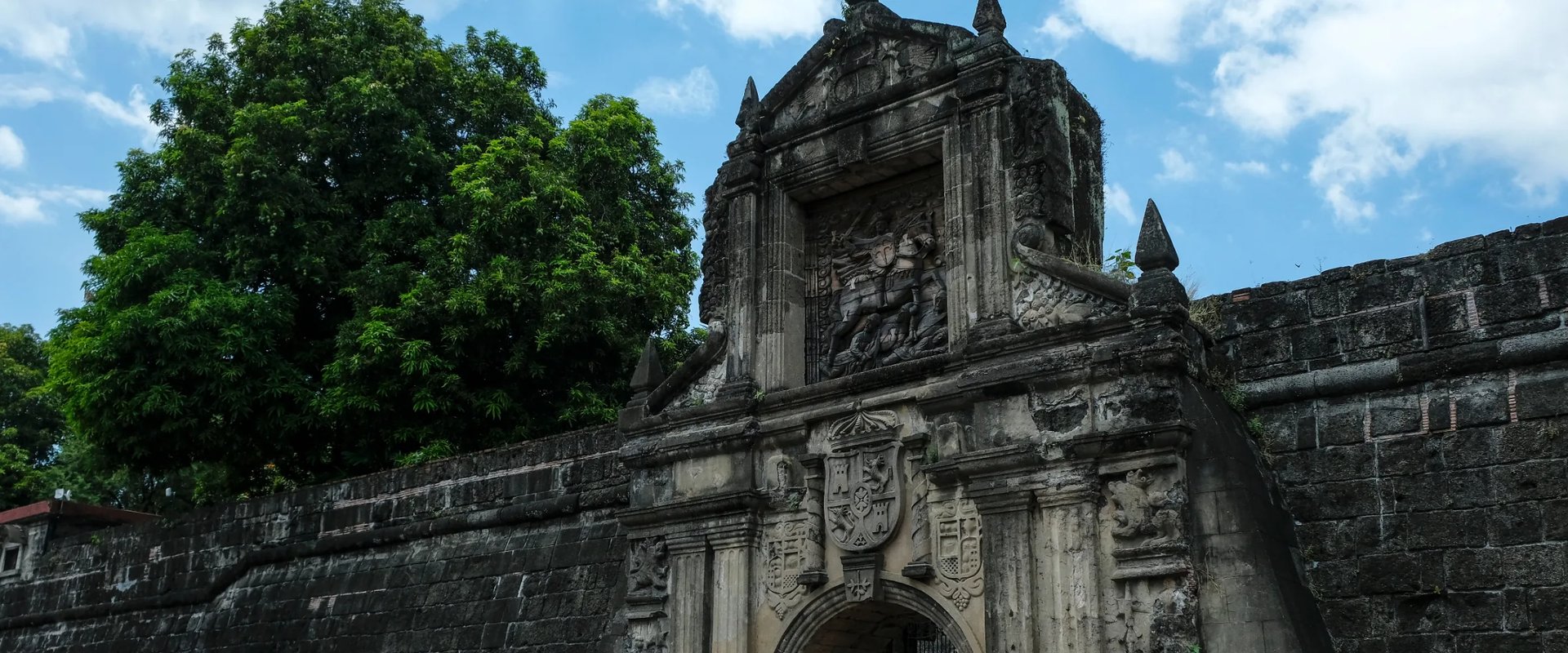
Intramuros — the 400-year-old walled city the Spanish built. Fort Santiago entry is about ₱75 ($1.20), and the cathedral and San Agustin Church (a UNESCO site) sit inside the walls. Tour it by bamboo bicycle or a kalesa horse cart, or join one of the theatrical walking tours that run most evenings.

National Museum Complex — the National Museums of Fine Arts, Anthropology and Natural History face Rizal Park and are all free. The Natural History building's glass 'Tree of Life' dome is the architectural star. Closed Mondays.

Manila Bay sunset — the bay faces due west, and the nightly show is free from the Baywalk or, more comfortably, from a cafe at the Mall of Asia complex. Aim to be waterside by 5:30pm.

SM Mall of Asia — one of the world's largest malls, with an IKEA, an ice rink and a seaside amusement park with a giant ferris wheel (rides about ₱150 / $2.40). Handy for the airport side of town and rainy afternoons.

Binondo food walk — the world's oldest Chinatown, founded in 1594. Guided food crawls run about ₱1,500-₱2,500 ($24-$40), with dumpling and hopia stops included. Vegetarians should flag it when booking — pork is everywhere here.

Day trip to Tagaytay — 2 hours south for the view over Taal volcano in its lake. Day tours run about ₱2,000-₱3,500 ($32-$56), often with a Sky Ranch stop for kids. The best single day trip from the capital.

Corregidor Island — the WWII fortress at the mouth of Manila Bay, reached by ferry with a guided tram tour of the gun batteries and the Malinta Tunnel. It is a full-day commitment and only worth it if the history interests you; check ferry schedules ahead, as they have changed often in recent years.

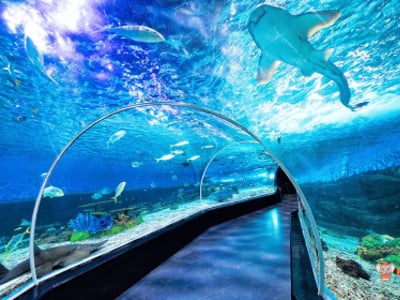
Skip Manila Ocean Park if you have seen any major aquarium elsewhere — it is small for the ₱700+ ($11) ticket.

Best time to visit

December to February is the dry, 'cool' season — 24-31°C and the safest bet for clear bay sunsets. March to May is hotter but still dry.

June to November is the wet season, with typhoons possible from July to October — island flights and ferries get cancelled, so build slack into any wet-season itinerary. Holy Week (March/April, dates shift) shuts much of the city; Christmas season is festive but books out, since Filipino celebrations start in September.

Getting around

Use Grab for everything — it is cheap, honest and air-conditioned. Cross-town rides run about ₱200-₱400 ($3-$6.50). Traffic is Manila's real challenge: EDSA at rush hour can turn 10 km into 90 minutes, so cluster each day's sights in one district.

Jeepneys are the colourful local icon and cost about ₱15 ($0.25) a ride — worth one short daylight trip for the experience. From NAIA airport, Grab is again the sane choice; agree nothing with touts inside the terminal.

Where to stay in Manila

Makati is the best all-round base: safe, central, full of restaurants, with the Poblacion bar strip for evenings. Mid-range hotels run about ₱2,500-5,000 ($40-$80) a night.

Bonifacio Global City (BGC) is the newest district — clean, walkable and planned, with malls, parks and rooftop bars. It's the most comfortable area in the city and the least like the rest of Manila; it's also far from Intramuros in traffic terms.

Ermita and Malate sit next to Rizal Park and Intramuros — the sightseeing base, with cheaper, older hotels. Fine for a night before a morning at the walls; less appealing after dark.

Pasay, around the Mall of Asia, works for airport logistics and bay sunsets. Pick it for a late arrival or an early domestic flight, not for the whole stay.

Wherever you book, cluster each day's plans around your hotel's side of the city. Traffic decides everything here.

Manila with kids

Manila with kids comes down to one rule: pick one base and stay near it, because traffic — not distance — is what causes meltdowns here. BGC is the easiest family pick, walkable with parks and clean malls; Makati is the central alternative (see Where to stay). Do Intramuros by kalesa horse cart: kids get the fort, cannons and old walls without the walking — agree the price and route before boarding. Manila Ocean Park is small for the ticket, as noted above, but with under-8s it earns a hot afternoon, and the sea lion show is the highlight. The Mall of Asia's seaside rides and giant ferris wheel (priced above) fill the evening slot, ending with the free bay sunset. Pace it: one district per morning, pool or mall through the heat, waterside by 5:30 pm.

Common mistakes to avoid

The biggest mistake is treating Manila as one walkable city and planning Intramuros, BGC and the Mall of Asia for the same day. They all sit in "Manila", but traffic makes them three separate trips — do one district per day, with the bay sunset as the evening anchor.

Second: tight domestic connections. NAIA's terminals are separate buildings with slow transfers between them, and afternoon storms delay flights in the wet season. Leave at least 3 hours between an international arrival and a domestic hop, and confirm the terminal for each flight when you book.

Third: street-hailing taxis. Some are fine; enough aren't. Grab removes the meter argument entirely and costs almost the same.

Finally, check the calendar before you fly. Holy Week (March or April) closes much of the city, and the Christmas rush — which starts as early as September — fills flights and hotels. Both are bad weeks to wing it.

Where it fits in your trip

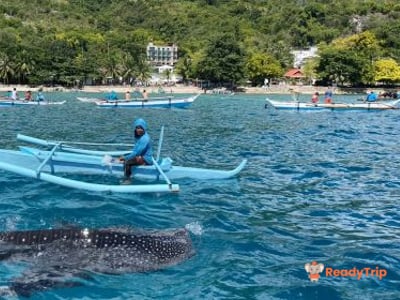
Manila is the hub, not the holiday. The standard plan: land in Manila, spend 1-2 days, then fly on to the islands — Palawan's El Nido lagoons, Boracay's White Beach or Cebu's whale sharks and canyoneering. Domestic flights from Manila reach all three in about an hour for ₱1,500-₱4,000 ($24-$65) if booked early.

NAIA has several terminals and transfers between them are slow, so check which terminal each flight uses before you buy. Visa rules and routing help live on our Philippines page.

Good to know

Frequently Asked Questions

Online now

We're here for you, 24/7

Real humans on WhatsApp and phone — before, during and after your trip. We typically reply in minutes.