Skip to content
ReadyTrip
Sapa

city

Sapa

Rice terraces, hill tribes and the roof of Indochina

Overview

Why visit Sapa

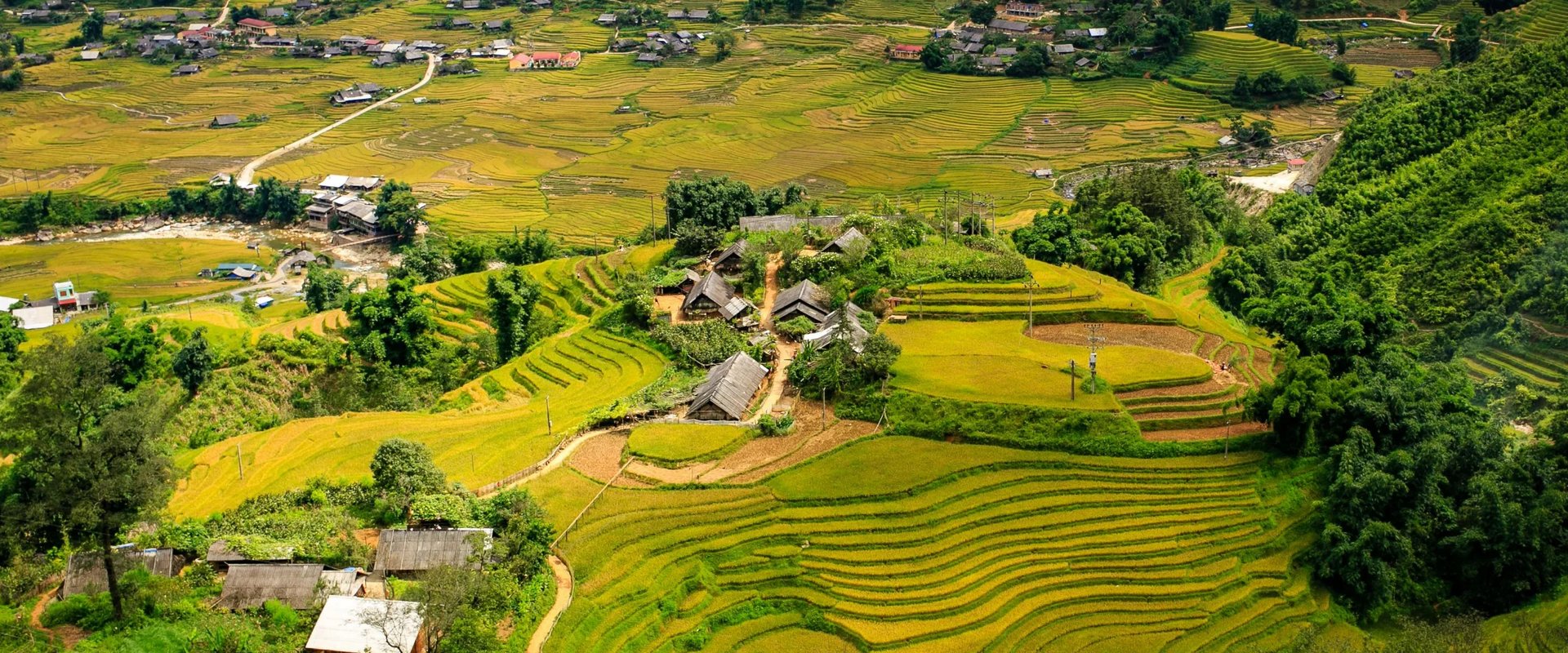
Sapa is northern Vietnam's mountain escape — a hill town at 1,500 m surrounded by some of the most photographed rice terraces in Asia. Hmong, Dao and Tay hill-tribe villages dot the valleys, and Fansipan, the highest peak in Indochina, towers above the town with a cable car running nearly to its summit.

It is a different Vietnam from Hanoi or the beaches: cool air, misty valleys and walking-focused days. Budget two nights; the travel time from Hanoi makes a same-day return pointless.

Good to know

At a Glance

Best Time

March-May and September-November

Getting There

5.5-6 hours from Hanoi by expressway bus, or overnight train to Lao Cai plus a 1-hour shuttle

Ideal Days

2-3 days

Top things to do in Sapa

Ride the Fansipan cable car. The 15-minute ride from Sun World Fansipan Legend station crosses the whole Muong Hoa valley before climbing to 3,000 m; a short funicular and stairs finish the trip to the 3,143 m summit gates. Return tickets cost around ₫800,000 ($30). On a clear day this is the single best thing in Sapa. Mornings have the best visibility.

Trek the Muong Hoa valley. The classic day route runs from Sapa town through Lao Chai and Ta Van villages — about 10-12 km of ridgeline paths through the terraces with lunch in a village home. It is moderate walking, fine for anyone who can handle stairs for a few hours.

Walk to Cat Cat village if you want an easy taste instead. It is under 3 km from town, with a waterfall, water wheels and craft stalls. It is the most touristy village, so treat it as a stroll, not a cultural deep-dive.

See the town itself — the stone church, the lake and the food street where you can try grilled skewers and hotpot on cold evenings. The weekend market brings hill-tribe traders into town with textiles and silver.

Best time to visit and getting there

March to May and September to November are the sweet spots — mild days, clearer skies and good trail conditions. September is the star month, when the terraces turn gold before harvest. June to August is warm but wet; treks get muddy and clouds can hide Fansipan for days. December to February is cold, occasionally with frost, and heavy fog is common — pack a warm jacket if you must visit then.

Getting there means going through Hanoi: a 5.5-6 hour expressway bus or limousine van for around ₫250,000-₫450,000 ($10-$17), or the overnight train to Lao Cai followed by a 1-hour shuttle up the mountain. Sapa fits best as a 2-3 day extension from Hanoi — many travellers pair it with a Ha Long Bay cruise for a one-week northern Vietnam loop, then fly onward to Da Nang for the beaches. See the full Vietnam guide for route ideas.

Good to know

Frequently Asked Questions

Online now

We're here for you, 24/7

Real humans on WhatsApp and phone — before, during and after your trip. We typically reply in minutes.