Skip to content
ReadyTrip
Kuala Lumpur

city

Kuala Lumpur

Big-city Malaysia: twin towers, temples and street food

Overview

Kuala Lumpur in brief

Kuala Lumpur is one of the easiest big-city breaks in Asia. It mixes glass towers with cave temples and some of the region's best cheap food, and entry to Malaysia is visa-free for most nationalities.

Costs sit well below Singapore: a good meal is RM 10-20 ($2.50-$5), the metro is cheap, and even the headline attractions stay affordable. Two to three days covers the highlights.

Good to know

At a Glance

Best Time

December to February — drier and good for sightseeing; hot all year

Getting There

Well connected worldwide — direct flights from most major Asian, Middle Eastern, European and Australian hubs

Local Transport

LRT/MRT trains and Grab; the KLIA Ekspres airport train reaches the city in 28 minutes

Ideal Days

2–3 days, or 4 with a Genting or Batu Caves day trip

Top things to do in Kuala Lumpur

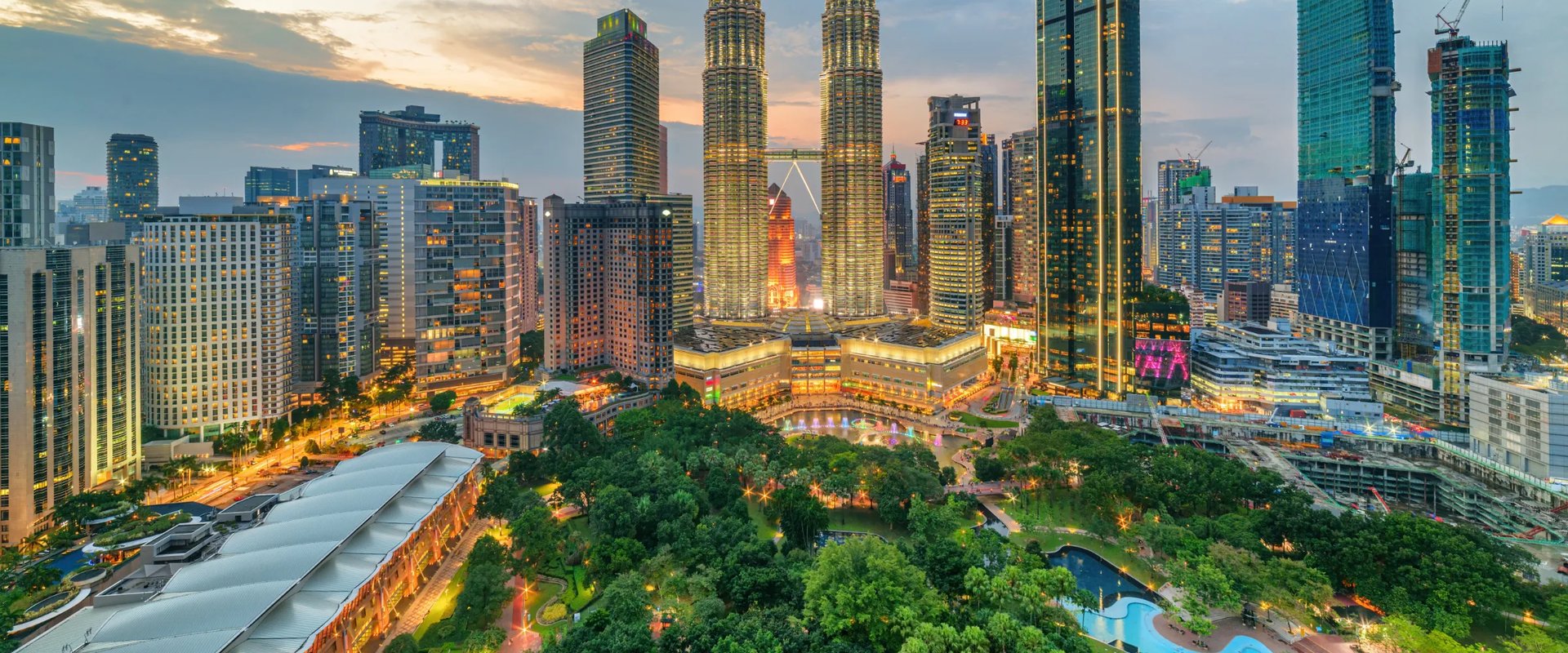
Petronas Twin Towers. The skybridge and level-86 deck of the world's tallest twin towers. Tickets run about RM 98 ($24) for adults; slots are timed and sell out on weekends, so book a date in advance. Seeing the towers lit up at night from KLCC Park is free.

Batu Caves. A giant limestone cave temple with a 42-metre golden Murugan statue and 272 rainbow-painted steps. Entry to the main temple cave is free. Go before 9am to beat the heat and the crowds. It is 30-40 minutes from the centre on the KTM Komuter train — about RM 2.60 ($0.65). Dress modestly; sarongs are rented at the base if you arrive in shorts.

KL Tower (Menara KL). The observation deck is higher than the Petronas skybridge and looks at the twin towers — better photos. The glass Sky Box is popular; expect a queue on weekends.

Aquaria KLCC. A solid indoor aquarium with a 90-metre underwater tunnel, right under the convention centre. A good 2-hour plan for the hot afternoon hours, especially with kids.

Sunway Lagoon. A big theme park and water park combo about 40 minutes from the city. Plan a full day. Skip it if you only have 2 days — the towers, caves and food streets matter more.

Eat at Jalan Alor. KL's most famous food street, open until late. Grilled seafood, satay and noodle stalls dominate; vegetarians will find Chinese veg options here and full veg meals in Brickfields.

Kuala Lumpur with kids

KL suits families because its best kids' stops are indoors, cheap and minutes apart. Petrosains, the hands-on science centre inside the Suria KLCC mall, fills 2-3 hours and sits in the same complex as Aquaria's underwater tunnel (covered above) — together they make an easy full KLCC day with a food-court lunch between. Batu Caves works with kids, but be honest about the 272 steps: school-age children climb them fine with breaks, toddlers need carrying, and prams stay at the base. Go before 9 am and keep snacks zipped away — the monkeys grab bags. Sunway Lagoon is the treat day if your trip runs to 4 days; skip it on 2, as noted above. KLCC is the most convenient family base and Bukit Bintang the better-value one — see Where to stay. Pace it simply: one outdoor morning, one indoor afternoon, and trains over Grab when traffic builds.

Where to stay in Kuala Lumpur

Pick your base by what you're here for. Bukit Bintang is the easiest all-rounder: hotels at every price, malls, Jalan Alor at your doorstep, and monorail and MRT stops close by. KLCC puts the Petronas Towers, Aquaria and the park outside your window — the best pick for a short, sight-heavy trip, at slightly higher prices.

Chinatown (Petaling Street) suits budget travellers who want heritage shophouses, street food and Central Market within walking distance. Brickfields, next to KL Sentral station, is the transit-friendly pick — every train line, the airport express, and rows of South Indian restaurants.

If you're unsure, choose any hotel within a 5-minute walk of an LRT, MRT or monorail station. KL traffic is real, and that one rule saves more holiday time than anything else.

Best time to visit Kuala Lumpur

December to February is the most comfortable window, with drier days and pleasant evenings. KL is hot and humid all year (roughly 30°C daytime), so no month is a bad month — plan indoor stops for afternoons.

March-April and October-November bring short, heavy evening downpours. They rarely ruin a trip: carry a small umbrella and book outdoor things (Batu Caves, KLCC Park) for mornings.

Getting around Kuala Lumpur

Use trains plus Grab. The LRT/MRT network connects KLCC, Bukit Bintang, Chinatown and Brickfields; single rides cost roughly RM 1-3 ($0.25-$0.75). Grab (the local ride-hailing app) is cheap and honest on price — avoid unmetered taxis.

From the airport, the KLIA Ekspres train reaches KL Sentral in 28 minutes for about RM 55 ($13.50). A Grab from the airport costs about the same for a family and takes an hour — better value for 3-4 people. Note that KLIA is 55 km out, further than most people expect.

Day trips worth taking

Genting Highlands is the classic day trip: a hill resort at around 1,800 metres with theme parks, casinos, malls and a long cable car, about an hour from the city. The air is noticeably cooler than KL, which is half the appeal. Buses run from KL Sentral, or book a tour that includes the Awana SkyWay cable car.

Putrajaya, the planned government city about 40 minutes south, is worth half a day for the pink-domed Putra Mosque and the lake cruise. It photographs better than it walks — go by Grab or tour, see the mosque and bridges, and head back.

Melaka's UNESCO old town sits about 2 hours away by road. A long day trip is doable, but Jonker Street and the riverside are at their best after dark — if history is your thing, one overnight beats a rushed day.

Batu Caves, covered above, is technically a day trip but only needs half a morning.

What things cost in Kuala Lumpur

KL is one of Asia's cheapest capitals for what you get. Street and food-court meals run RM 10-20 ($2.50-$5), a teh tarik costs about RM 3 ($0.75), and a proper restaurant dinner is roughly RM 40-80 ($10-$20) per person.

Trains cost RM 1-3 ($0.25-$0.75) per ride, and a Grab across the centre runs about RM 10-20 ($2.50-$5). A good mid-range hotel is roughly RM 200-350 ($50-$85) a night — the same money buys far more here than in Singapore.

Tickets are the main spend: Petronas at about RM 98 ($24), with Aquaria and KL Tower each somewhat less. Alcohol is the one exception to "cheap" — it's taxed hard, so a bar beer can cost as much as your dinner.

Where Kuala Lumpur fits in your trip

KL works best as the base of a 5-7 day Malaysia trip. Do 2-3 days in the city, then either a cool-air day at Genting Highlands (theme parks and a cable car, one hour away) or a 3-day beach leg in Langkawi, a one-hour flight. Food-first travellers should swap the island for Penang.

Many travellers pair KL with Singapore — the two cities are a 1-hour flight or a 5-hour coach ride apart. Do Singapore first if you want to end the trip on cheaper food and shopping. See our full Malaysia guide for route ideas.

Good to know

Frequently Asked Questions

Online now

We're here for you, 24/7

Real humans on WhatsApp and phone — before, during and after your trip. We typically reply in minutes.