Skip to content
ReadyTrip
Hong Kong

destination

Hong Kong

Overview

Hong Kong is a city that runs like a country: its own currency, its own entry rules, and its own border, separate from mainland China. That makes it one of Asia's easiest big trips — most nationalities enter visa-free, English signage is everywhere, and the train from the airport to the centre takes 24 minutes.

This page covers the planning layer: entry rules, when to go, money, transport, and the Macau and Shenzhen day trips. For what to actually see and book — the Peak, Disneyland, the Star Ferry — use the Hong Kong city page.
Cities to Explore

Entry rules

Most visitors don't need a visa for Hong Kong. Around 170 nationalities enter visa-free, for periods that vary by passport: 180 days for UK citizens, 90 days for most of the EU, the US, Canada, Australia, Japan and Singapore, and 30 days for several others, including Thailand and Indonesia. A few nationalities, including Indian passport holders, also enter visa-free but must first complete a free online Pre-Arrival Registration on the Immigration Department site — it takes minutes, and no agent fee is ever needed.

Hong Kong's border is separate from mainland China's. You don't need a Chinese visa to visit Hong Kong, and entering Hong Kong does not let you into the mainland.

Immigration can ask for a return ticket and proof of accommodation, and your passport should be valid at least a month beyond your stay. Rules can change, so check the Immigration Department site for your nationality before booking flights.

Best time to visit

October to December is the best time to visit Hong Kong: dry air, clear skies and 18-26°C. Clear weather matters more here than in most cities — half the appeal is the view, and the Peak or the Ngong Ping cable car in fog is money wasted.

January and February are cool (12-18°C) and often grey but perfectly usable; just note Chinese New Year, when hotel prices jump and some small businesses close for a few days. March to May turns humid and misty. June to September is hot, wet and typhoon-prone — a T8 typhoon signal shuts ferries, parks and most of the city for the day.

Two crowd warnings: mainland China's Golden Week (the first week of October) and Chinese New Year fill hotels and triple theme-park queues.

Money and the Octopus card

The Hong Kong Dollar is pegged to the US dollar at roughly HK$7.8 = $1, so prices are predictable. Cards and phone wallets work almost everywhere, but small noodle shops, market stalls and minibuses still want cash — carry some.

Buy an Octopus card at the airport before you leave it. It pays for the MTR, buses, trams, ferries and convenience stores with one tap. Load it with cash as you go and refund the deposit and balance when you leave.

Street-level Hong Kong is cheaper than its reputation. A wonton noodle or dim sum meal at a local shop runs HK$40-HK$60 ($5-$8); sit-down restaurants climb fast from there. Budget around HK$350-HK$500 ($45-$65) per person per day for food and local transport — attraction tickets are the big spend on top of that.

Vegetarians do fine with a little planning. Buddhist vegetarian restaurants serve full mock-meat menus, dedicated veg dim sum places exist, and ordinary cafes label very little — check menus before sitting down.

What things cost

A realistic day in Hong Kong runs HK$350-HK$600 ($45-$77) per person before the hotel. A sample day:

  • Breakfast at a cha chaan teng (milk tea and a bun): HK$30-HK$40 ($4-$5)
  • MTR, tram and ferry rides all day: HK$40-HK$60 ($5-$8)
  • Dim sum lunch: HK$60-HK$100 ($8-$13)
  • One big paid attraction (the Peak, the Ngong Ping cable car, or a museum): roughly HK$100-HK$300 ($13-$38)
  • Dinner at a local restaurant: HK$80-HK$150 ($10-$19)

The hotel is the real cost: small mid-range rooms commonly run HK$800-HK$1,200 ($100-$155) a night. Staying in Kowloon rather than on Hong Kong Island stretches the budget, and the MTR makes the location gap irrelevant.

Free things balance the ledger: Star Ferry views, the Dragon's Back hiking trail, temples, and the nightly Symphony of Lights over the harbour.

Food to try

Dim sum is the meal Hong Kong is known for, best eaten at lunchtime. Order har gow (shrimp dumplings), siu mai and barbecue-pork buns; a local dim sum lunch runs HK$60-HK$100 ($8-$13), and the Michelin-listed Tim Ho Wan chain still sells plates for pocket change.

Beyond dim sum: wonton noodles, roast goose over rice, and beef brisket soup at old-school shops. Between meals, grab an egg waffle or a fresh egg tart from a bakery for HK$10-HK$20 ($1.30-$2.50).

Do one cha chaan teng — Hong Kong's version of a diner — for milk tea and a pineapple bun. It's the everyday food culture, not a tourist stop.

Getting around

The MTR metro is the spine of the city: fast, air-conditioned and signed in English, with fares of HK$5-HK$25 ($0.65-$3.20) by distance. The Airport Express reaches Central in 24 minutes for HK$115 ($15).

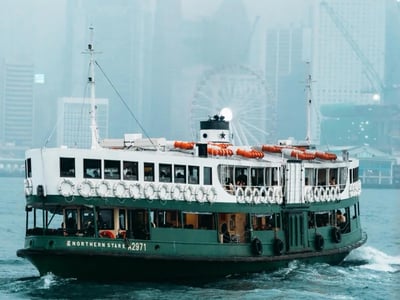
Two rides double as sightseeing. The Star Ferry across the harbour costs HK$4-HK$6 (under $1) and beats most paid cruises for views, and the old double-decker trams on Hong Kong Island charge a flat fare of about HK$3 ($0.40).

One thing maps don't show: Hong Kong is vertical, and you will walk and climb more here than in any other Asian city. Pack real walking shoes, and use the free Central–Mid-Levels escalators — the world's longest outdoor covered escalator system — to get up the hill.

Hong Kong with kids

Hong Kong is an easy family city, and Kowloon is the better base with kids — flatter streets than Hong Kong Island and quicker reach to most attractions. On a short trip pick one theme park, not both. Disneyland is the smallest Disney park and suits under-8s best; Ocean Park adds pandas, a cable car over the sea and real roller coasters, so it wins from about age 8 through the teens.

Toddlers are happy with the cheap icons — the Star Ferry, the Peak Tram and the old trams cost pocket change and feel like rides. The Ngong Ping cable car and Big Buddha day works well from about age 6.

The honest note is hotels: rooms are small and rooms sleeping four are scarce, so book family rooms months out. Strollers struggle on Hong Kong Island's slopes — for the Peak and Central, a carrier beats wheels.

Day trips: Macau and Shenzhen

Macau is the classic add-on, about an hour away. Ferries run every 30-60 minutes from two Hong Kong terminals at around HK$175 ($22) one way; the bus across the Hong Kong–Zhuhai–Macau bridge is cheaper at about HK$65 ($8) but adds border-hall queues at both ends. Macau is a separate immigration zone — carry your passport — but most nationalities that enter Hong Kong visa-free can enter Macau the same way. See our Macau guide for what to do there.

Shenzhen is a different story: crossing there means entering mainland China, and most visitors need a Chinese visa. Some nationalities can get a five-day Shenzhen-only visa on arrival at the border, and China's visa-free transit schemes cover others — the rules vary a lot by passport, so check before you build a day around it.

How to split your days: give Hong Kong city 2-3 days, Lantau Island one full day for the cable car, Big Buddha and Tai O (Disneyland is also on Lantau and needs its own day), and Macau a fourth day if you have it.

Good to know

At a Glance

Best Time

October to December — dry, clear skies for the Peak and harbour views

Currency

Hong Kong Dollar (HKD); pegged near $1 = HK$7.8

Visa

Visa-free for around 170 nationalities (7 to 180 days by passport); some pre-register online — check current rules

Timezone

GMT+8

Flight Time

Well connected worldwide — around 12 hours from London, 5.5 hours from Delhi, 4 hours from Singapore

Good to know

Frequently Asked Questions

Online now

We're here for you, 24/7

Real humans on WhatsApp and phone — before, during and after your trip. We typically reply in minutes.